How to Handle Cultural Differences in Love Marriages
2026-01-31Love marriages are built on emotional connection, mutual respect, and personal choice. However, when...

In a world that’s increasingly connected by digital platforms, the tradition of arranged marriages has gracefully transitioned into the online space. Marriage matrimony sites have emerged as one of the most effective ways to find a compatible life partner — not only in India but among the global Indian diaspora. These platforms offer a blend of tradition and technology, helping individuals and families connect through verified, preference-driven, and community-focused matchmaking systems.
But how do these platforms work? What makes them so effective today? And how can users make the most of them? This comprehensive guide answers all that and more.
In earlier generations, the search for a suitable spouse was led by family elders, local matchmakers, or matrimonial ads in newspapers. While these methods were deeply rooted in tradition, they were limited in reach and efficiency.
With the advent of the internet and mobile technology, online matrimony platforms revolutionised the process by offering:
Wider reach: Access to thousands of potential matches beyond geographical and social limitations.
Speed & convenience: Users can filter, shortlist, and connect anytime, anywhere.
Advanced compatibility tools: AI-based recommendations, horoscope matching, and lifestyle filters make it easier to find someone who truly aligns with your values.
This shift didn’t dilute cultural significance; rather, it enhanced the way tradition and modernity could work together.
At the core, a matrimony website is a digital matchmaking platform where users create detailed profiles and search for potential life partners based on preferences like religion, caste, profession, location, and lifestyle habits.
Registration: Basic details, mobile/email verification.
Profile Creation: Users enter biodata — age, height, education, income, religion, caste, lifestyle habits, expectations, etc.
Photo Uploads & Verification: Most leading sites use photo validation and ID verification to ensure authenticity.
Search & Filters: Users can apply filters to find matches based on their preferences.
Communication Tools: Express Interest, Chat, Video Calling, or Direct Messages (for premium users).
Assistance & Follow-up: Some platforms offer relationship managers and even astrology consultations.
Some platforms, like DigiShaadi, go beyond these steps and provide family-inclusive tools like guardian accounts, regional match filters, and personal matchmakers for serious users.
Matrimony websites cater to a broad spectrum of users:
Young professionals, NRIs, working women, divorcees, and widowers — people looking to take control of their marriage decisions in a secure space.
In many cases, especially in Indian communities, parents are the ones creating and managing the profiles. Sites are designed to accommodate this dynamic respectfully.
Indians abroad (in the US, Canada, the UK, the UAE, etc.) often use these platforms to stay culturally connected while looking for like-minded matches.
Niche Communities
From Tamil Brahmins to Bengali Christians to Marwari Jains — most portals have dedicated sub-platforms or filters to serve specific cultural preferences.
Unlike dating apps, matrimonial sites are built for serious commitment. With detailed profiling and match scores, these platforms use advanced algorithms to suggest partners who align with long-term goals.
Unlike dating apps that may exclude family involvement, most matrimony platforms are designed to include parents or guardians in the search and communication process.
Leading platforms incorporate:
Photo and ID verification
Profile blocking/reporting
Chat moderation
Secure payments
This ensures a safer experience compared to informal online spaces.
Users can search based on caste, subcaste, mother tongue, religion, horoscope matching, and even regional customs — making it easier to meet familial expectations.
You can find a match that fits your profile in weeks — not months — with daily suggestions and real-time communication tools.
With dozens of platforms available, what sets a top-tier matrimony site apart? Based on user reviews and expert insights:
Platforms that display clear privacy policies, offer verified matches, and provide human customer support score high on trust.
Mobile apps, fast-loading pages, and easy navigation are non-negotiable in 2025. Sites with poor UI/UX get abandoned quickly.
Sites like DigiShaadi showcase:
Verified user stories
Authentic reviews
Expert blogs
Transparent matchmaking process
These elements help establish trustworthiness and authority, which are critical in today’s search ecosystem.
Top platforms go beyond just matchmaking — they build communities. From matrimonial events to webinars on marriage counselling or regional traditions, they add continuous value.
Ignoring privacy settings: Always adjust your visibility and contact options.
Not involving your family (when needed): In cultures where family approval matters, keeping them informed early on is beneficial.
Being too rigid with filters: A bit of flexibility in age, height, or language can open up more genuine options.
In 2025 and beyond, the following trends are reshaping how people meet and marry:
AI-Powered Compatibility Engines: More nuanced matchmaking beyond looks or job titles — focusing on values, emotional compatibility, and life goals.
Video Biodata & Intros: Humanises the process — lets people connect beyond words and photos.
Virtual Meets & Webinars: Families can meet online before committing to travel.
Regional Language Support: More platforms are going multilingual to support users in Tamil, Telugu, Bengali, Marathi, and more.
Focus on Second Marriage and Diverse Users: Divorcees, single parents, and LGBTQ+ individuals are getting dedicated, respectful spaces.
Marriage matrimony sites are not just a digital version of traditional matchmaking — they’re a smarter, more empowered way to find life partners. When used responsibly, they offer unmatched access, privacy, and cultural sensitivity.
If you're someone navigating this journey — whether for yourself or for a loved one — remember that the most successful outcomes happen when technology meets honesty, openness, and intent. Platforms like DigiShaadi are leading the way in making this experience meaningful, secure, and family-friendly.
Q1. Are online matrimony sites safe to use for finding a life partner?
Yes, leading platforms like DigiShaadi offer ID verification, privacy controls, and report features to ensure safety and a secure matchmaking environment.
Q2. What is the difference between a matrimony site and a dating app?
Matrimony sites focus on serious, long-term commitment and often involve families, whereas dating apps are designed for casual connections and short-term relationships.
Q3. Can NRIs use Indian matrimony websites?
Absolutely. Most platforms support NRI profiles and allow filters by country, time zone, and community — making it easy for NRIs to find culturally compatible matches.
Q4. How do I know if someone is serious on a matrimony platform?
Look for verified profiles, consistent communication, and honest biodata. Premium members are often more committed, and you can use video calls to gauge intent.
Q5. What should I include in my matrimony profile to get better matches?
Include a clear photo, honest personal and family backgrounds, education, career details, lifestyle habits, and expectations. Highlight your values and what you seek in a partner.

Love marriages are built on emotional connection, mutual respect, and personal choice. However, when...

Finding a life partner as an NRI is very different from local matchmaking in India. Along with emoti...
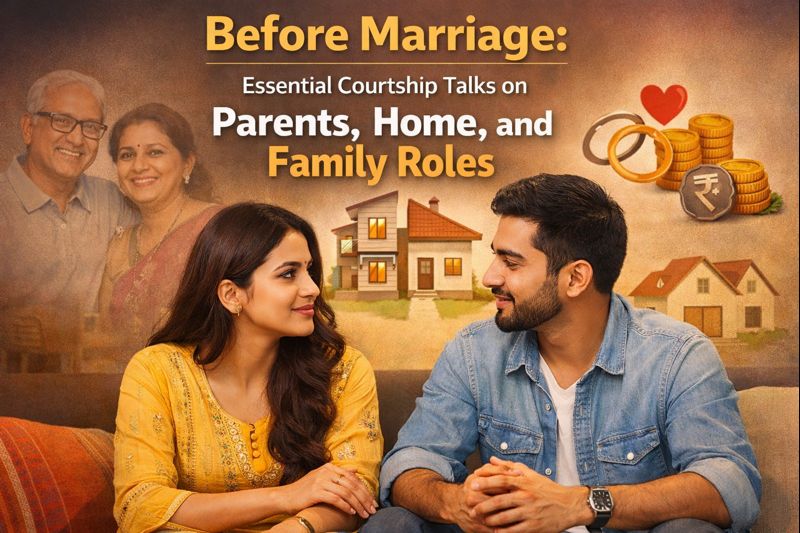
In India, marriage is never just about two individuals—it is a union of families, expectations, resp...
In the Indian matchmaking system, a marriage biodata is much more than a formal introduction. It is...

Introduction: Marriage Is a Decision, Not a Discovery Choosing a life partner is one of the most si...
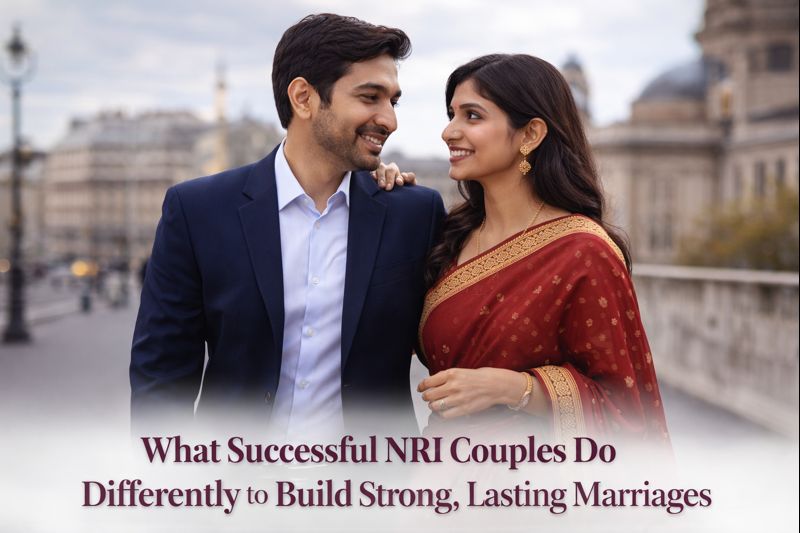
Introduction: Successful NRI Marriages Are Built on Clarity, Not Chance Non-Resident Indian (NRI) m...