How to Handle Cultural Differences in Love Marriages
2026-01-31Love marriages are built on emotional connection, mutual respect, and personal choice. However, when...
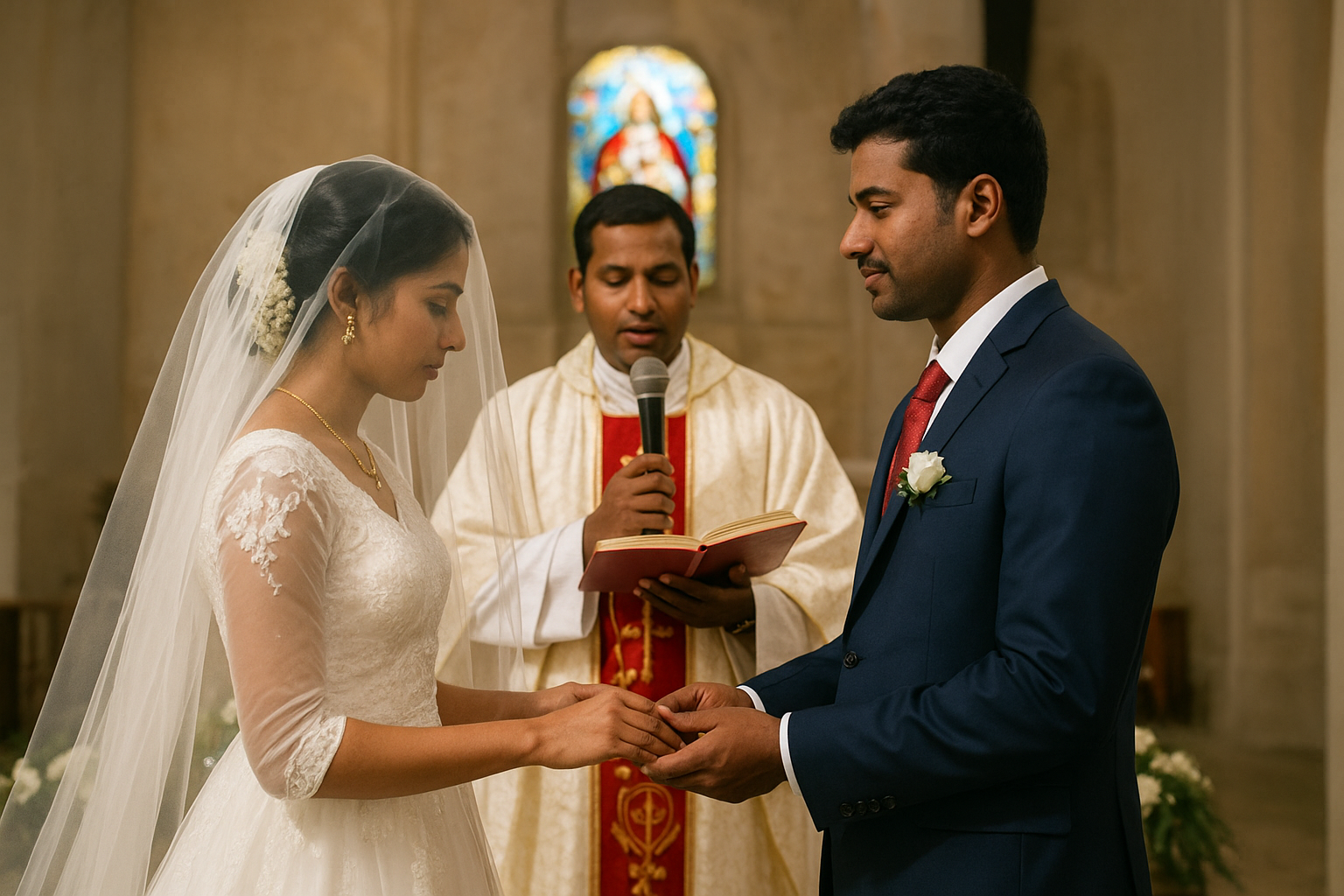
Marriage in Tamil Christian communities is more than just a union of two people—it is a sacred covenant rooted in Christian faith and enriched by Tamil culture. Over centuries, Tamil Christians have preserved their spiritual values while adopting the local flavours of Tamil Nadu. The result is a wedding that feels familiar yet unique: you’ll find Bible readings inside a church, followed by Tamil traditions like thali tying and vibrant receptions that echo the warmth of Tamil hospitality.
Unlike Western Christian weddings, Tamil Christian marriages strike a balance between simplicity, reverence, and celebration. They are elegant yet meaningful, solemn yet joyful, and traditional yet modern. And with the rise of digital platforms, families are now discovering life partners through online Tamil Christian matrimonial services, blending technology with timeless traditions.
For a deeper look at how digital matchmaking is shaping Tamil communities, you can explore this related blog: Tamil Matrimony Online
Matchmaking for Tamil Christians traditionally involved church elders, family friends, or community networks. In Catholic, Protestant, and other Christian denominations, faith alignment is crucial. Families often prioritise:
Shared beliefs (Catholic, Protestant, Pentecostal, etc.)
Cultural compatibility (urban vs rural traditions, caste influences)
Educational and professional background
Community reputation and family values
In modern times, many Tamil Christian families—especially those with children living abroad—prefer online matrimonial services. These platforms allow them to search for partners who share not only faith but also cultural roots and life goals.
This is especially relevant for the Tamil Christian diaspora, where finding a partner who respects both Tamil identity and Christian beliefs can be challenging without digital matchmaking.
Known as the Nichayathartham or betrothal, the engagement ceremony is a formal announcement of the marriage. Traditionally, it is held in a church or family hall, where the couple exchanges rings blessed by a priest.
Exchange of Rings: A symbol of eternal love, the ring exchange marks the beginning of their journey together.
Blessings: Elders and the priest pray for the couple’s wellbeing.
Gifts and Tokens: Families exchange gifts, sweets, and, in some cases, traditional Tamil items like betel leaves or coconuts.
This ceremony officially binds the two families and sets the tone for the wedding celebrations.
Tamil Christian weddings, though rooted in Christian liturgy, also embrace Tamil cultural pre-wedding customs.
Borrowed from Goan and Mangalorean Christians but also practised in Tamil Catholic homes, the Roce ceremony involves anointing the bride and groom with coconut milk or turmeric paste. This is similar to the Haldi ceremony in Hindu weddings and is meant to purify and bless the couple.
In some Tamil Christian families, the bride and groom take a ritual bath with turmeric water and sandalwood paste, a traditional Tamil custom symbolising cleansing of past energies and preparing for new beginnings.
Leading up to the wedding, families hold special prayers, novenas, or fasting days. These moments strengthen the couple’s spiritual foundation before entering into marriage.
The church service is the most sacred part of a Tamil Christian marriage. It blends biblical sacraments with Tamil cultural adaptations.
The bride usually enters the church in a white gown or a white silk saree, accompanied by her father or a close male relative. She may wear a veil, symbolising purity, while bridesmaids follow her carrying flowers.
The Groom’s Role
The groom, often in a formal suit or sherwani, waits at the altar. His attire reflects dignity and responsibility.
The Service: Bible, Hymns, and Vows
Bible Reading: Selected passages highlight love, faith, and commitment.
Wedding Songs: Choirs or bands sing Tamil Christian hymns and wedding songs, uplifting the atmosphere.
Exchange of Vows: The couple promises to love and honor each other in front of God and the congregation.
Exchange of Rings: Rings symbolise eternal love and unity.
The Thali (Mangal Sutra) Custom
In Tamil Catholic weddings, the groom ties a thali (a sacred chain) around the bride’s neck. This ritual, borrowed from Hindu Tamil marriages, is adapted into Christian practice as a cultural expression of lifelong commitment.
Tamil Christian weddings are known for simple, elegant church decorations.
Church Décor: White flowers, candles, and ribbons line the aisle. Some families add Tamil touches like banana leaves or lamp lighting at the entrance.
Music: Tamil hymns, organ music, and wedding songs fill the church with spiritual energy.
The reception is where Tamil hospitality shines. After the solemn church ceremony, families come together to celebrate.
Grand Entry: The newlyweds arrive to cheering guests.
Cutting of the Cake: A Western influence now integral to Tamil Christian receptions.
Speeches and Toasts: Friends and family share heartfelt words.
Dance and Music: Young couples often include DJs or live bands.
Bouquet Toss: A modern addition where the bride tosses her bouquet to unmarried women.
Reception feasts often blend Tamil and Western flavours:
Biryani, chicken curries, and appams
Cakes, puddings, and pastries
Tamil Christian wedding invitations are a mix of religious and cultural symbolism. They often include:
Bible verses on love and commitment
Images of churches, rings, or crosses
Tamil cultural motifs like flowers, lamps, or temple-inspired art
Engagement and betrothal ceremonies
Roce and Mangala Snanam rituals
Thali tying and church-centered vows
Family-oriented matchmaking
Designer gowns, theme weddings, and customized décor
Personalized vows instead of standard church liturgy
Destination weddings, often abroad
Use of matrimonial platforms to find matches
Along with the church service, many couples also register their marriage legally under the Indian Christian Marriage Act, 1872. This provides legal recognition and makes the union valid in the eyes of the state.
For Tamil Christians living in countries like the US, UK, Canada, or Australia, weddings are adapted to local contexts:
Churches abroad host Tamil Christian services.
Families blend Tamil music, attire, and food with local influences.
Matrimonial platforms help connect diaspora families to partners back home.
This ensures that even while living abroad, Tamil Christians continue to celebrate their marriages in culturally authentic ways.
Tamil Christian marriages are a true celebration of faith, family, and culture. From the intimate engagement ceremony to the grandeur of the church wedding and the joy-filled reception, every ritual reflects love and devotion.
What makes these weddings special is their ability to honor tradition while embracing modernity. Whether through the thali-tying ritual, elegant church décor, or diaspora adaptations abroad, Tamil Christian marriages remain deeply rooted in values while evolving with time.
And in today’s world, where distance and busy schedules can make matchmaking harder, online matrimonial services are playing a crucial role in bringing Tamil Christian families together. You can read more about this modern shift in Tamil Matrimony Online .
A Tamil Christian marriage is not just a wedding—it is a sacrament of love, a celebration of culture, and a lifelong promise made before God.
Love marriages are built on emotional connection, mutual respect, and personal choice. However, when...
Finding a life partner as an NRI is very different from local matchmaking in India. Along with emoti...

In India, marriage is never just about two individuals—it is a union of families, expectations, resp...
In the Indian matchmaking system, a marriage biodata is much more than a formal introduction. It is...
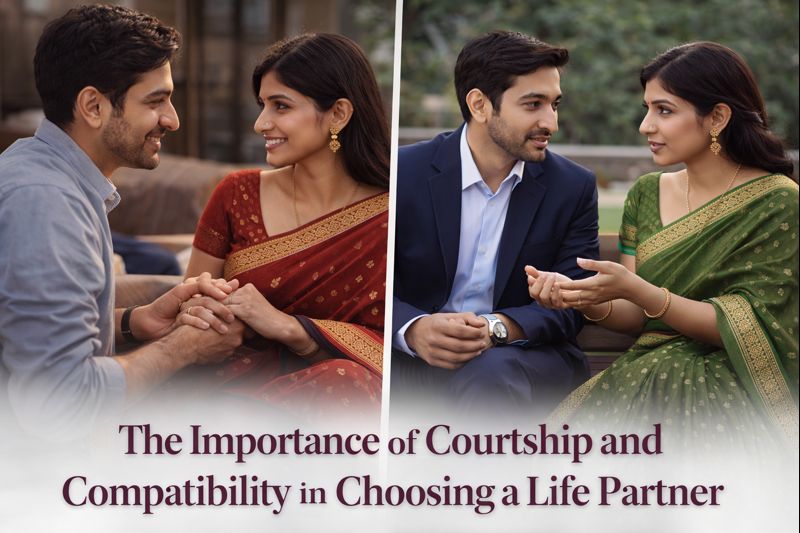
Introduction: Marriage Is a Decision, Not a Discovery Choosing a life partner is one of the most si...
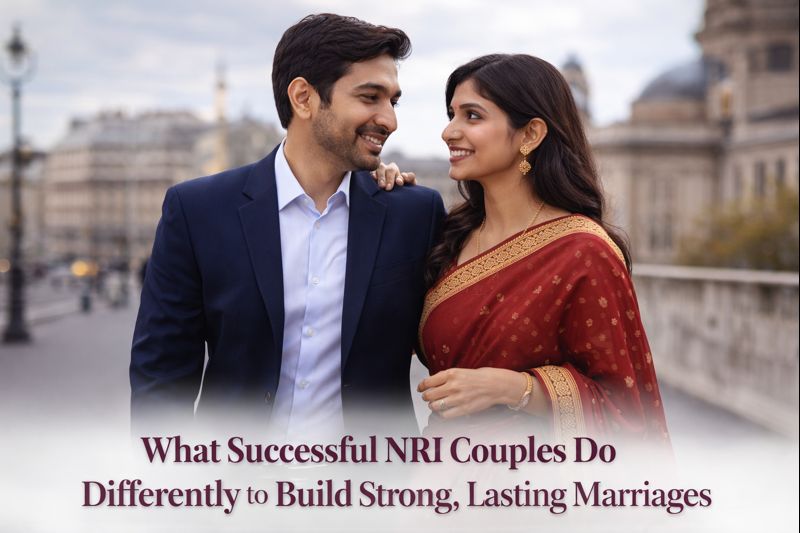
Introduction: Successful NRI Marriages Are Built on Clarity, Not Chance Non-Resident Indian (NRI) m...