How to Handle Cultural Differences in Love Marriages
2026-01-31Love marriages are built on emotional connection, mutual respect, and personal choice. However, when...
In the last decade, the world of matchmaking in India has gone through a dramatic transformation — from biodatas exchanged in drawing rooms to AI-powered swipes on matrimony apps. As we enter 2025, the online matrimony landscape is evolving faster than ever, blending cultural depth with cutting-edge technology.
So, what exactly is changing? Why are more Indian families, including Gen X and Boomers, trusting digital platforms with something as personal as marriage? And how are platforms like DigiShaadi.com staying ahead of the curve?
Let’s take a deep dive into what the future holds for online matrimony in India.
AI is no longer a buzzword — it's at the heart of every successful online matrimony experience. Algorithms in 2025 are now capable of:
Analysing compatibility using psychometric profiling
Tracking subtle preferences like communication style, lifestyle, and faith-based values
Suggesting matches based on shared goals, not just caste, community, or education
Unlike traditional setups where families rely on assumptions and references, modern platforms like DigiShaadi now use behavioural analytics to shortlist matches with emotional and cultural compatibility — not just demographic boxes.
In 2025, one-size-fits-all search filters are passé. Users now expect Netflix-style recommendations based on:
Browsing history
Time spent on certain profiles
Reaction patterns (likes, skips, engagement)
Personality mapping
Think of it like a digital rishta auntie who knows your type — but without the judgement. This personalisation is helping save time, effort, and emotional fatigue, especially for professionals and NRIs.
More Inclusive and Diverse Filters
India’s youth is global, progressive, and deeply rooted in identity. Matrimony platforms in 2025 now offer filters not just for caste, religion, and language, but also for:
Sect and denomination (e.g., Sunni/Shia, Protestant/Catholic)
Dietary preferences (vegetarian, halal, Jain food only)
Spiritual leanings (agnostic, spiritual-not-religious)
Regional subcultures (e.g., Iyer vs. Iyengar in Tamil matrimony)
These nuanced filters help users avoid uncomfortable conversations later and lead to value-aligned matches.
In 2025, 90% of users access matrimony platforms on mobile devices. But here’s the shift — families are also online now. Platforms are building dual experiences:
A modern app UI for Gen Z and millennials
A family dashboard for parents to monitor, shortlist, and interact
This balances autonomy with involvement — a big win for Indian families.
Fake profiles and catfishing were major concerns in early matrimony platforms. In 2025, that’s changed due to:
KYC checks (Aadhaar, PAN)
LinkedIn and job verification
Community validation through referrals
Platforms like DigiShaadi have made it mandatory to complete trust badges before initiating conversations. This builds a safe, respectful environment for serious seekers.
Matchmaking Beyond Borders
Indian matrimony is no longer confined by geography. In 2025, global matchmaking is booming, with NRIs in the USA, UK, UAE, and Canada actively using online platforms to find culturally rooted partners.
Trends include:
Time zone–based communication tools
Virtual meeting rooms with families
Legal resources for cross-border marriage support
In 2025, religious and ritual alignment matters deeply to Indian families — especially in interregional or interdenominational matches.
Platforms now allow:
Custom filters by sect, prayer frequency, or ritual participation
Compatibility questions like “Are you okay with fasting during Ramadan?” or “Do you follow Karva Chauth?”
This ensures better faith-aligned communication upfront.
2025 has normalised second-chance love. Platforms now openly serve:
Divorced or separated individuals
Widows/widowers looking for companionship
Single parents
Smart filters ensure users can specify preferences (e.g., open to previously married or no children from past marriages). This fosters empathy-driven matchmaking.
Traditionally, matches were made within narrow communities (e.g., Bengali Kayastha or Punjabi Arora). In 2025, the trend is shared culture over community.
People now look for partners who:
Speak their mother tongue
Enjoy similar food and festival traditions
Have similar upbringing (urban vs. rural, India vs. abroad)
This shift is more inclusive and allows inter-community matches while retaining cultural closeness.
Matrimony Meets Mental Health
Another major shift in 2025 — users expect emotional intelligence from their matches. Platforms now include:
Personality tests (MBTI, enneagram)
Emotional boundaries/preferences (e.g., introvert vs. extrovert)
Option to filter by mental health openness
This helps reduce emotional friction post-marriage and ensures better long-term compatibility.
No more awkward first calls. Platforms now offer:
Video biodata intros
Parent-to-parent video connect
Virtual family get-togethers before in-person meetings
This creates trust faster and allows users to gauge vibes before investing emotionally or financially.
Millennials and Gen Z are vocal about their values. In 2025, you can filter based on:
Environmental consciousness
Political views (progressive, moderate, conservative)
Pet-friendliness
Willingness to relocate
The idea is clear — value compatibility > superficial sameness.
2025 is not about replacing traditional values — it's about preserving them with better tools. Matrimony platforms like DigiShaadi.com are now culture-first, user-friendly, safe, and incredibly intelligent.
If you’re looking for a match who respects your faith, your background, your family, and your future dreams — online platforms aren’t just an option anymore; they are the smartest way forward.
Love marriages are built on emotional connection, mutual respect, and personal choice. However, when...
Finding a life partner as an NRI is very different from local matchmaking in India. Along with emoti...
In India, marriage is never just about two individuals—it is a union of families, expectations, resp...
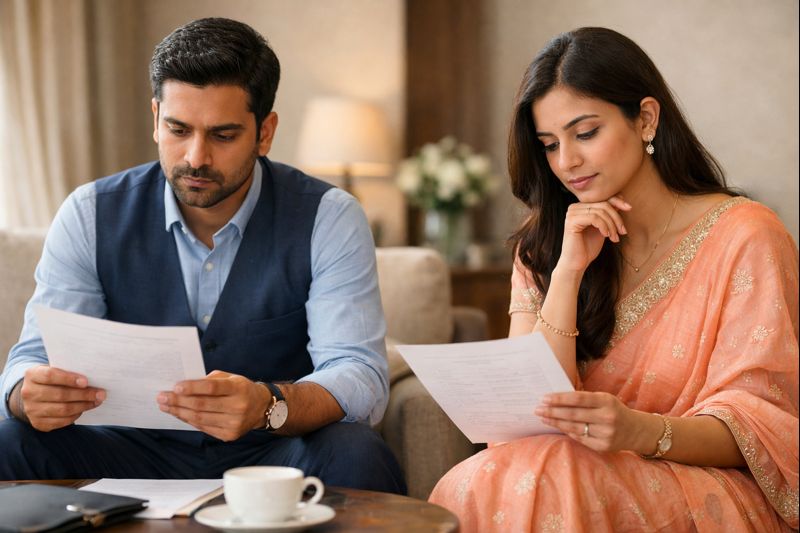
In the Indian matchmaking system, a marriage biodata is much more than a formal introduction. It is...
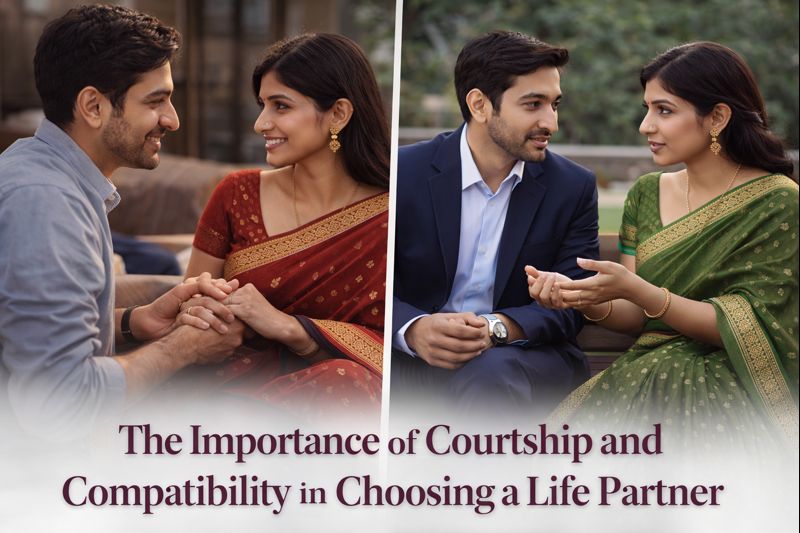
Introduction: Marriage Is a Decision, Not a Discovery Choosing a life partner is one of the most si...
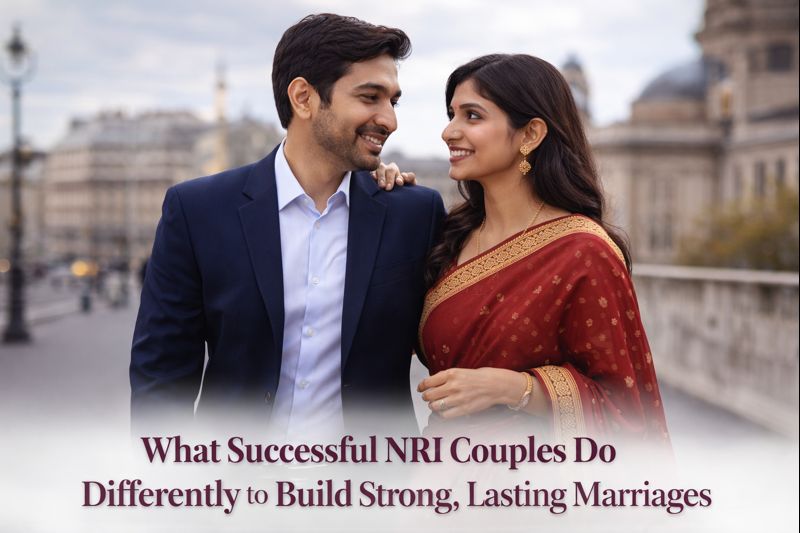
Introduction: Successful NRI Marriages Are Built on Clarity, Not Chance Non-Resident Indian (NRI) m...