How to Handle Cultural Differences in Love Marriages
2026-01-31Love marriages are built on emotional connection, mutual respect, and personal choice. However, when...

You meet someone. Their biodata checks out. Their family seems nice. You even match on religion, language, and career stage. But something feels... off.
This is where unspoken dealbreakers come in—those subtle but powerful traits or behaviours that don’t show up on filters but can make or break a marriage.
Whether you're using advanced compatibility tools from platforms like DigiShaadi, or relying on traditional matchmakers, emotional mismatches, lifestyle habits, and overlooked red flags can quietly ruin what looked like a “perfect rishta”.
Let’s explore these hidden dealbreakers that deserve your full attention.
Some people talk. Others shut down. And then some listen just to respond, not to understand.
Why it’s a dealbreaker:
Miscommunication isn’t just annoying—it causes long-term resentment. If one partner needs emotional expression and the other avoids emotional talk, friction builds quickly.
Tip: Platforms now use AI-driven compatibility matching to factor in personality types. Use that to your advantage.
He loses his temper over traffic. She blames everyone but herself. He avoids conflict entirely. She mocks instead of discussing.
Why it’s a dealbreaker:
Emotional immaturity can’t be fixed by love alone. Long-term happiness depends on being able to process disagreements, apologise, and grow—together.
This theme is core to Compatibility vs. Convenience, where surface matches often fail emotionally.
You wake up at 5 AM. They sleep at 2 AM. You love hiking. They prefer malls. You enjoy family dinners. They need silence to recharge.
Why it’s a dealbreaker:
In theory, opposites attract. In reality, conflicting routines can create emotional disconnection and irritability.
Use filters for lifestyle preferences—like sleep schedule, fitness interest, or social preferences—when browsing profiles.
One saves, one spends. One is investment-minded; one avoids discussing money.
Why it’s a dealbreaker:
Marriage requires a shared financial vision, not just shared income levels. It’s not about how much you earn, but how you manage it together.
These insights are growing in awareness—especially among modern women, as highlighted in What Women Want in Matrimony Matches Today.
They say, “Oh, you’d never understand” or use backhanded compliments.
Why it’s a dealbreaker:
This behaviour chips away at self-worth and respect. Sarcasm in conflict is a shield, not a solution.
Look beyond charming texts. Observe how someone handles discomfort. That's their real personality.
You want to move abroad. They want to live near their family forever. You want kids. They’re not sure.
Why it’s a dealbreaker:
Future goals misaligned? That's a ticking bomb, not a rough patch.
Ask about 5-year visions during early conversations. Sites like DigiShaadi let you express these preferences openly now.
They speak rudely to waiters. Or honk impatiently at elders. Small things? Maybe not.
Why it’s a dealbreaker:
These microbehaviours reflect deep-seated entitlement or lack of empathy. And it will eventually extend to you or your family too.
They joke about women not “needing careers”. Or insist “men shouldn’t cook.” Or say, “Let’s see what happens after shaadi.”
Why it’s a dealbreaker:
Modern relationships need equality, not obedience. Gender role rigidity is often the beginning of emotional suppression.
More women today are asserting these boundaries, as explored in What Women Want.
You share you’ve seen a counsellor, and they scoff. Or they call anxiety “drama”.
Why it’s a dealbreaker:
If a person cannot accept or support your emotional needs, the relationship may become unsafe or unfulfilling.
You love hosting dinners. They hate socialising. Or you enjoy spiritual retreats; they think it’s “a waste of time”.
Why it’s a dealbreaker:
Your social energies affect daily life—from festivals to family gatherings. A mismatch here can lead to chronic disconnect.
They’re always unavailable. You’re always the one initiating. “I had work” becomes the excuse for emotional unavailability.
Why it’s a dealbreaker:
Relationships need presence, not just effort when convenient. Busyness can mask lack of interest.
This is common among working professionals on matrimony portals, which we covered in How Indian Professionals Use Matrimony Portals.
They know what they want in a honeymoon, but not in parenting. They want to “get married” but not “build a marriage”.
Why it’s a dealbreaker:
Being ready for a wedding isn’t the same as being ready for a life partnership.
They belittle your customs or laugh at your spiritual habits.
Why it’s a dealbreaker:
Even interfaith or inter-caste marriages thrive when mutual respect exists. Without that, one partner often erodes the other’s identity.
They say honesty matters but lie easily. They talk about equality, but their behaviour contradicts it.
Why it’s a dealbreaker:
Words mean little without aligned action. Long-term success relies on value consistency, not just vibe matching.
They dodge questions about family, money, or past relationships. Or don’t share basic details even after weeks.
Why it’s a dealbreaker:
Transparency isn’t oversharing. It’s about building emotional safety and mutual trust.
One week they’re planning futures; the next they vanish. Or they’re never clear about what they want.
Why it’s a dealbreaker:
This leads to constant insecurity and self-doubt. A healthy match gives clarity, not confusion.
They check with parents on everything—or can’t make independent decisions.
Why it’s a dealbreaker:
Marriage is a partnership. If your partner’s backbone is missing, it’ll affect every choice you make together.
Gaming, alcohol, and binge habits that interfere with daily function.
Why it’s a dealbreaker:
These aren’t just quirks. They signal emotional avoidance or stress mismanagement, which burdens both partners long-term.
They mock astrology, psychology, AI, or compatibility reports as “nonsense”.
Why it’s a dealbreaker:
This shows resistance to data, science, or even respecting your belief systems.
Fun fact: even horoscope-based matchmaking is getting tech-enhanced, as discussed in Horoscope Matching in Matrimony Portals.
They don’t want to talk about children, career relocation, or religion—saying, “We’ll adjust later.”
Why it’s a dealbreaker:
Postponing core discussions is not flexibility—it’s avoidance. A strong match engages with uncomfortable questions early.
Red flags don’t always come waving—they whisper in habits, silences, and subtle tones.
A good match isn't just built on caste, career, or family background. It’s built on emotional safety, value alignment, and behavioural honesty.
And while no match is “perfect”, ignoring dealbreakers often leads to pain that could’ve been avoided with mindful observation.
Platforms like DigiShaadi allow you to customise your preferences, ask meaningful questions, and go beyond checkboxes. The real question isn’t “Do we match?” It’s:
“Can we grow together—without ignoring what hurts now?”

Love marriages are built on emotional connection, mutual respect, and personal choice. However, when...
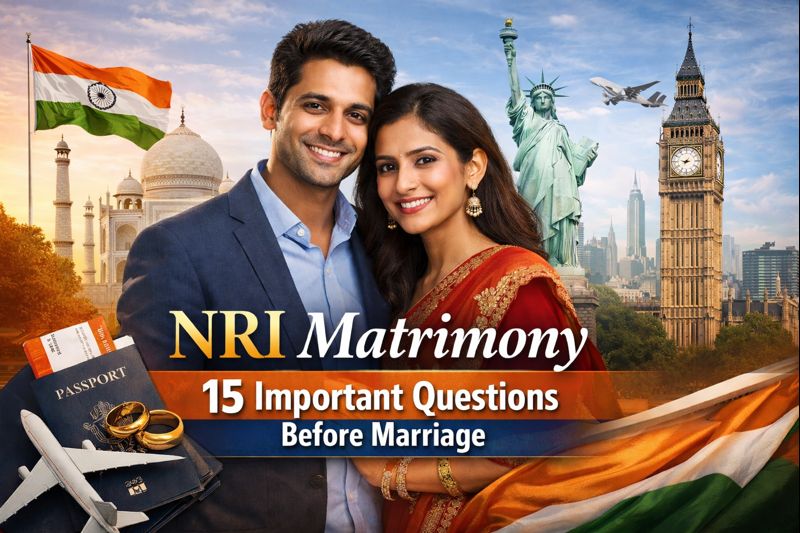
Finding a life partner as an NRI is very different from local matchmaking in India. Along with emoti...
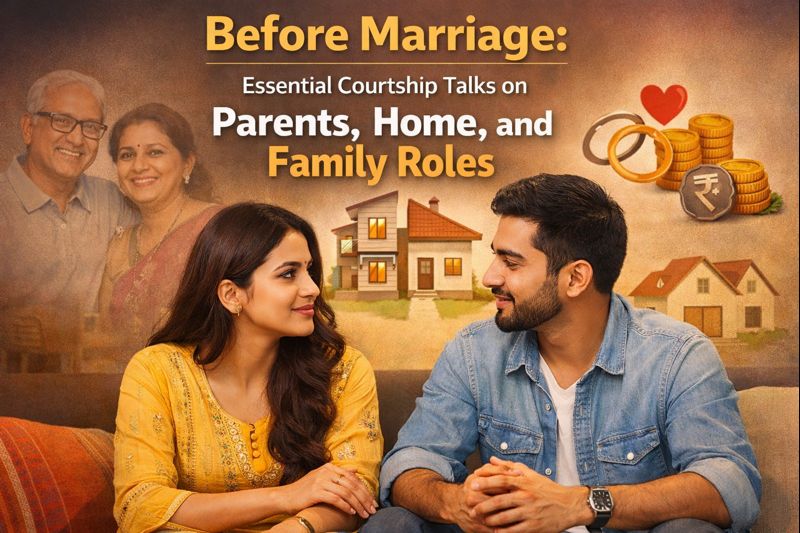
In India, marriage is never just about two individuals—it is a union of families, expectations, resp...
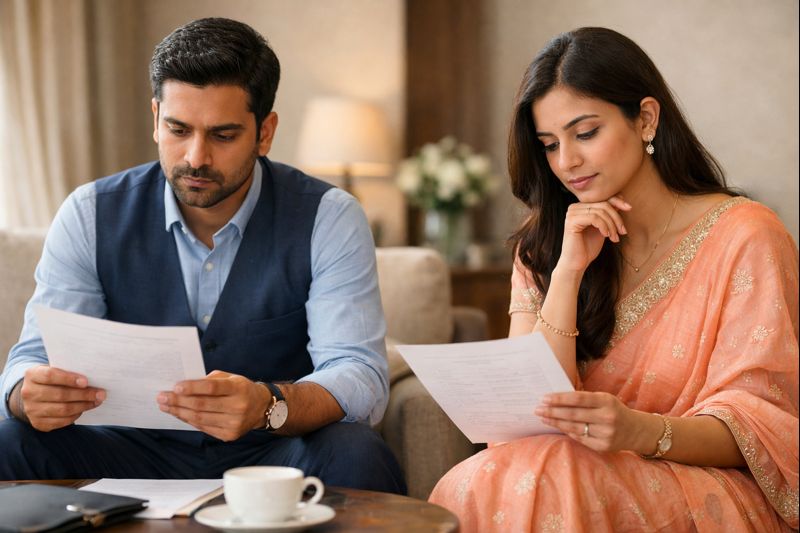
In the Indian matchmaking system, a marriage biodata is much more than a formal introduction. It is...

Introduction: Marriage Is a Decision, Not a Discovery Choosing a life partner is one of the most si...
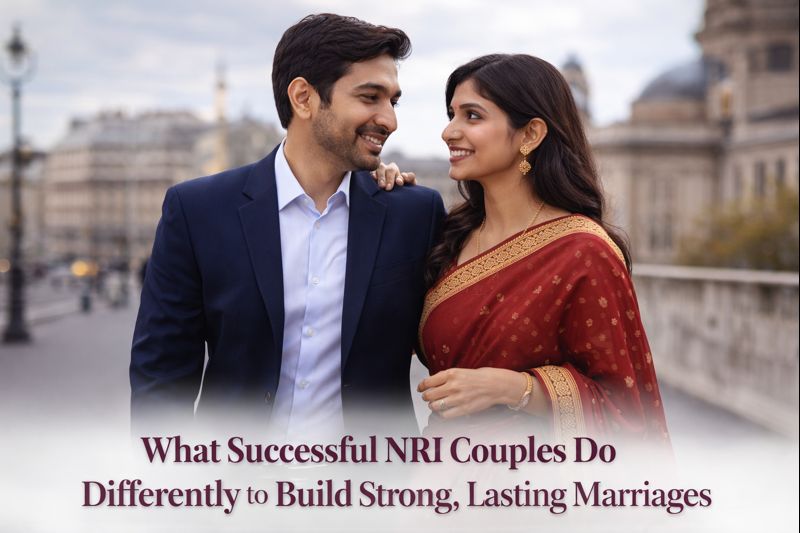
Introduction: Successful NRI Marriages Are Built on Clarity, Not Chance Non-Resident Indian (NRI) m...