How to Handle Cultural Differences in Love Marriages
2026-01-31Love marriages are built on emotional connection, mutual respect, and personal choice. However, when...
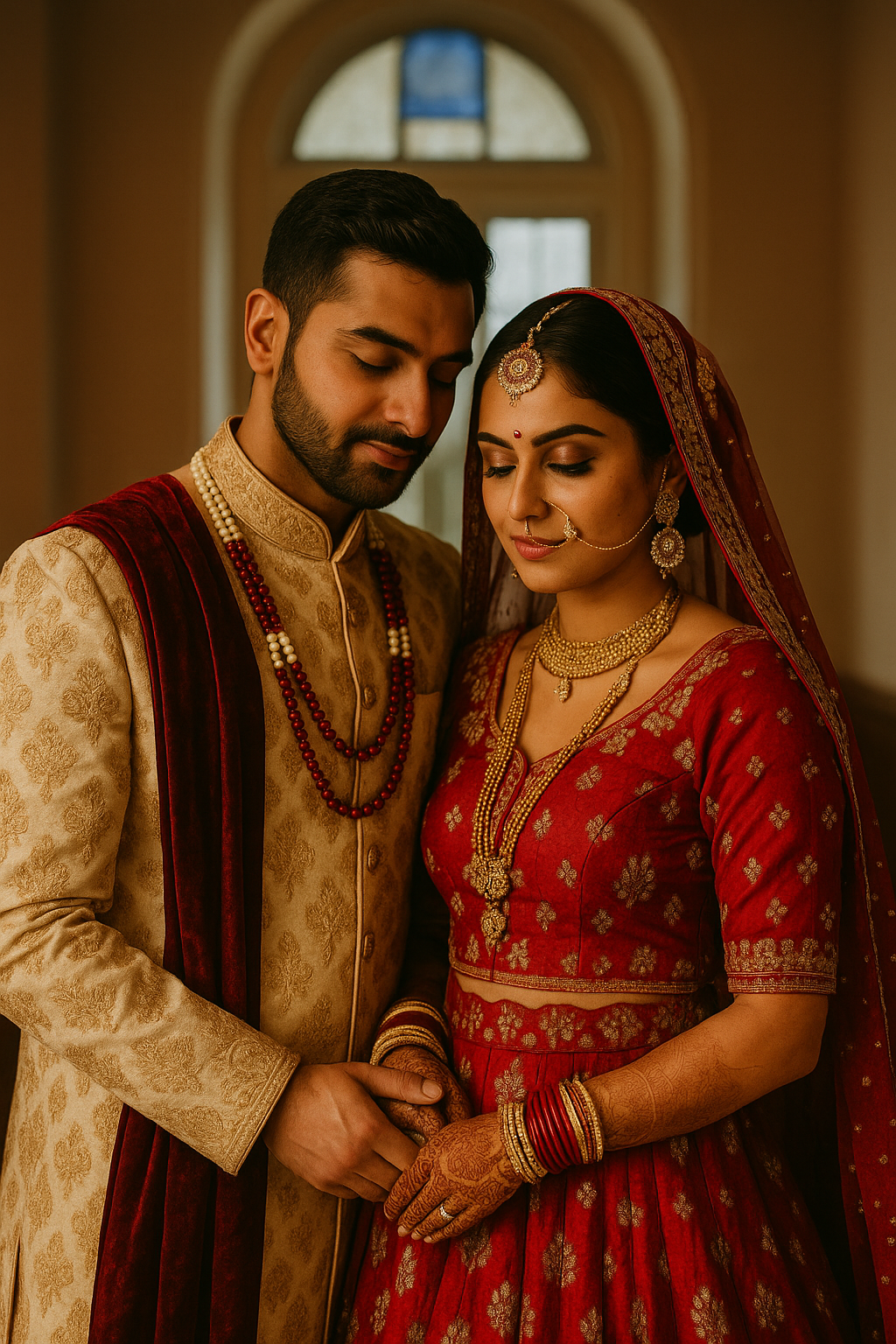
Even in the era of fast swipes and algorithm-driven matchmaking, faith continues to be a guiding force in Indian marriages. While dating apps focus on chemistry and shared hobbies, Indian matrimony—especially on platforms like DigiShaadi—leans into deeper aspects of compatibility, such as religious alignment, spiritual values, and cultural upbringing.
With millions of Hindus, Muslims, Christians, Sikhs, and Jains using online portals today, faith-based matchmaking has gone digital, and its impact is stronger than ever. This blog explores how religion continues to shape matrimonial choices and how digital platforms are responding to this cultural need.
Marriage in India is rarely just a personal choice—it’s often a sacred contract deeply influenced by family traditions and religious doctrine. Whether it’s a Hindu couple aligning through Kundli matching or Christian families looking for shared church values, faith serves as an anchor.
Even today, families emphasise religious compatibility, which includes:
Shared festivals and rituals
Dietary habits (vegetarian, Halal, etc.)
Parenting preferences
Religious ceremonies and last rites
This is evident in how many users configure their DigiShaadi profiles—religion is often one of the first filters applied, showing how integral it remains to Indian matchmaking.
Modern matrimony sites like DigiShaadi are no longer generic portals. They're culturally intelligent platforms designed to cater to religious diversity and specificity. Features that once existed only offline—like temple introductions or church coordinators—are now offered digitally.
Advanced features include:
Religion-based filters (Hindu, Muslim, Christian, Sikh, etc.)
Denomination filters (e.g., Sunni/Shia, Catholic/Protestant)
Preferences like Namaz-practicing, Gursikh, born-again Christian, etc.
Options for interfaith or same-faith-only matches
Horoscope-based matchmaking (especially for Hindu profiles)
As outlined in How Matrimony Sites Match You, the combination of AI filters with human insights ensures both technical and spiritual compatibility.
Among Hindus, religion isn't just a checkbox—it includes astrological beliefs, caste/sub-caste dynamics, and ritual compatibility. Kundli matching (based on planetary positions) is a top priority.
Many users also filter matches based on:
Gotra
Nakshatra
Dasha period
Preferred deities
Ritual practices (Puja, fasting, etc.)
As discussed in Top Trends in Indian Matrimony Portals in 2025, these religious practices have now been digitised, allowing easier match verification and spiritual alignment.
Muslim users on platforms like DigiShaadi typically look for:
Halal lifestyle compatibility
Namaz-practicing partners
Hijab-wearing or modest-dressing preferences
Sunni vs. Shia identity
Nikah readiness
The importance of a Wali (guardian), Islamic education, and adherence to Quranic principles are often discussed during initial chats.
Religion-focused filters help users avoid mismatches—especially since core values are non-negotiable. As explained in Unspoken Dealbreakers in Matrimony Matches, spiritual misalignment can quietly derail even the most promising matches.
In Christian matrimony, denomination matters deeply:
Catholic, Protestant, Orthodox, Evangelical, etc.
Importance of regular church attendance
Shared baptismal traditions
Acceptance of certain sacraments
The role of faith-based parenting, pre-marital counselling, and church community alignment is strong, especially in Kerala, Goa, and Northeast India.
What Women Want in Matrimony Matches Today reveals that Christian women increasingly look for emotional and spiritual stability in their partners—beyond mere credentials.
In Sikh communities, there is a strong desire for:
Gursikh partners who keep the five Ks
Regular attendance at the Gurudwara
Vegetarian food and non-alcoholic habits
Shared understanding of Sikh teachings (Guru Granth Sahib)
DigiShaadi provides community-specific features to ensure matches respect these traditions. The spiritual component often complements modern compatibility metrics like career goals and education.
While millennial and Gen Z users are more open to interfaith marriages, challenges remain:
Family resistance
Legal processes (Special Marriage Act)
Religious conversion
Cultural adjustments
In the Why More Millennials and Gen Z Are Choosing Marriage Matrimony Sites blog, we see that this generation values autonomy—but often still respects religious alignment, especially for long-term compatibility.
Faith-based filters have become smarter:
AI detects likely religious alignment based on user behavior
Horoscope APIs auto-flag matches
Platforms like DigiShaadi suggest pre-marital spiritual compatibility scores
As explained in AI and Compatibility Matching: The Future of Marriage Matrimony Sites, technology now complements ancient belief systems, offering a modern experience grounded in tradition.
In urban areas, individuals may be more flexible—focusing on lifestyle compatibility and emotional connection. However, even here, many still prefer same-faith matches, especially for parental acceptance.
In rural or semi-urban settings, religion often remains the strongest filter, with families playing a bigger role in the process.
This aligns with trends outlined in Urban vs Rural Usage of Matrimony Portals in India, where regional variations in faith-centric behaviour are profound.
Sometimes, users pretend to share a faith to get more attention. That’s where platform trust becomes key.
How to Avoid Scams on Indian Matrimony Portals covers this in detail:
Cross-checking with social media
Video call interviews
Platform-backed verification
Asking the right faith-based questions early
During the pandemic, many turned back to spiritual roots. Virtual weddings, online pujas, and e-church services became common.
The How COVID-19 Changed the Way Indians Use Matrimony Sites blog documents this beautifully. Even when everything went digital, faith became a source of stability and strength.
When selecting a matrimony site, look for:
Community-specific matchmaking
Faith-based profile filters
Verified religious identities
Cultural blog resources
How to Choose the Right Matrimony Portal in India explains why choosing a platform that respects your belief system is critical to marital success.
Despite globalization and individualism, faith remains one of the strongest anchors in Indian marriages. Whether you're seeking a match within your faith or navigating interfaith terrain, platforms like DigiShaadi offer both technological support and cultural depth.
In the end, love that respects belief systems tends to last longer—not because of ritual, but because of shared meaning.

Love marriages are built on emotional connection, mutual respect, and personal choice. However, when...
Finding a life partner as an NRI is very different from local matchmaking in India. Along with emoti...
In India, marriage is never just about two individuals—it is a union of families, expectations, resp...
In the Indian matchmaking system, a marriage biodata is much more than a formal introduction. It is...

Introduction: Marriage Is a Decision, Not a Discovery Choosing a life partner is one of the most si...
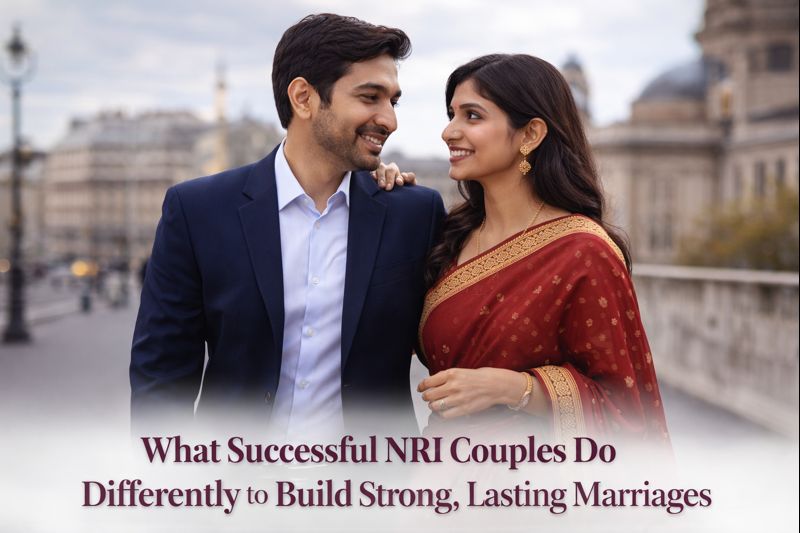
Introduction: Successful NRI Marriages Are Built on Clarity, Not Chance Non-Resident Indian (NRI) m...