How to Handle Cultural Differences in Love Marriages
2026-01-31Love marriages are built on emotional connection, mutual respect, and personal choice. However, when...
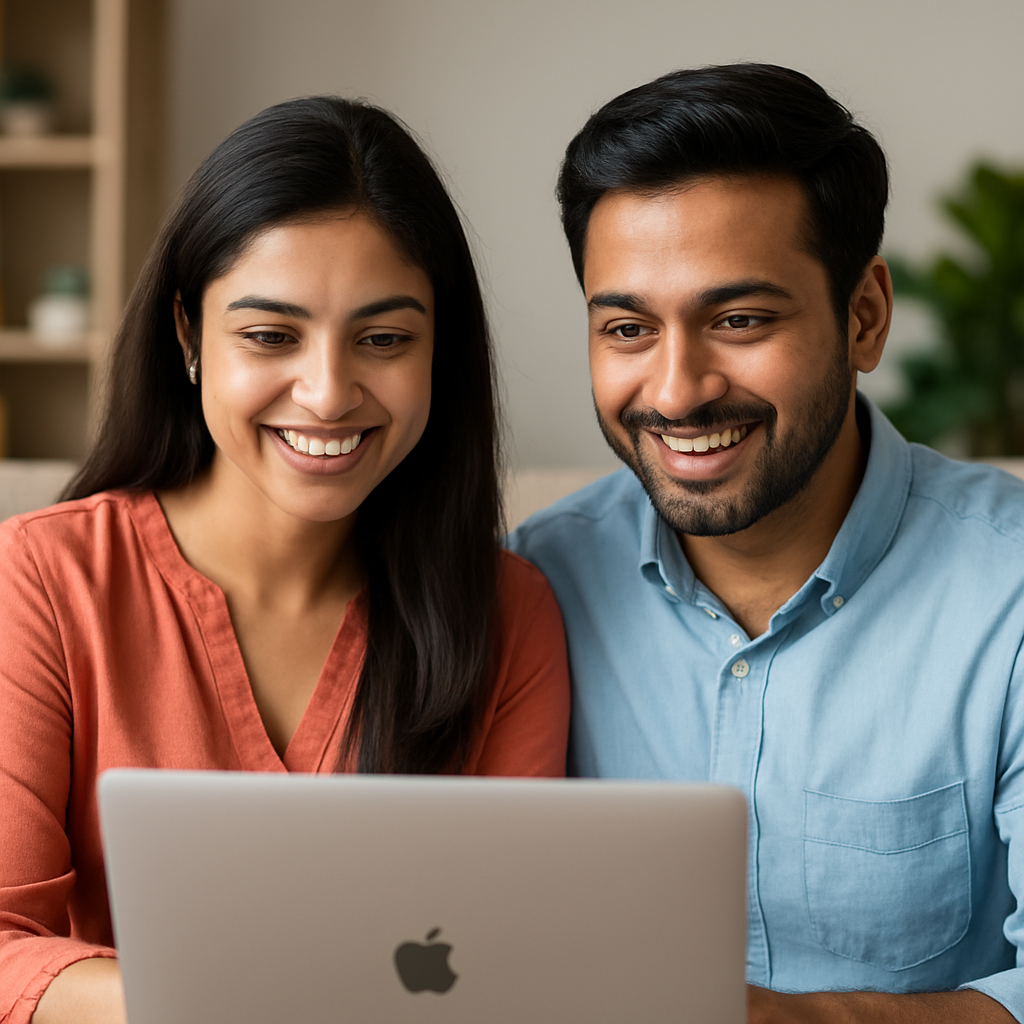
In the past, finding a life partner was largely left to the discretion of family members, caste networks, or a village matchmaker who knew “someone’s cousin’s cousin”. Today, the dynamics have dramatically changed. Technology has not only accelerated the process of meeting someone but has also made the process more personalised, data-driven, and empowering.
From creating biodatas to using AI compatibility engines, from swiping on mobile apps to scheduling parent-approved video calls — finding “the one” is no longer luck. It’s strategy, filters, faith, and emotional intelligence — all packaged into modern matrimony platforms like DigiShaadi.
This blog explores how online matrimony platforms help Indian singles and families make smarter, safer, and more meaningful matrimonial matches.
Unlike traditional matchmaking, online matrimony platforms offer customised, real-time, and scalable options. You’re no longer limited to a specific community network or locality. You now have:
Access to thousands of verified profiles
Filters for religion, caste, education, career, location
Safety tools and family-friendly interfaces
Advanced compatibility algorithms
As seen in Marriage Matrimony Sites vs Traditional Matchmaking: What Indian Families Think, families are increasingly seeing platforms as trusted partners in their children’s marriage journey.
Your profile is more than a photo and biodata. It’s a reflection of your values, aspirations, and lifestyle.
Top-performing matrimony profiles usually include:
A well-lit, traditional-yet-modern photo
Honest description of lifestyle choices (drinking, vegetarianism, etc.)
Education, career path, and goals
A warm note on family background and expectations
A few lines about what you’re looking for in a partner
Platforms like DigiShaadi make this process easy and offer profile assistance tools, making sure you make the right first impression.
Matrimony platforms allow you to narrow your search using precise filters. These include:
Religion and denomination (e.g., Hindu, Vaishnav, Christian, Orthodox)
Caste and sub-caste
Language and region
Educational background
Profession and income range
Habits and lifestyle preferences
This makes searching efficient and personalised, something traditional matchmakers simply couldn’t scale.
If you're from a community-driven background, you’ll appreciate how platforms now allow hyperlocal and community-specific matchmaking — as discussed in Regional vs Global Matrimony Sites.
In the past, families focused on superficial compatibility — age, caste and family status. Today, people want emotional, intellectual, and spiritual compatibility.
This is where AI comes in.
Platforms like DigiShaadi use algorithms that evaluate:
Mutual interests
Value alignment (e.g., career ambition vs family-first mindset)
Communication style
Faith compatibility
Social habits
Refer to AI and Compatibility Matching for how this technology is shaping smarter matches.
A major reason why many once hesitated to go digital was fear: fake profiles, identity theft, scams. But modern matrimony platforms have built-in safety features like:
Government ID verification
Human moderation of profiles
Block/report options
Hidden contact details unless mutually matched
As detailed in How to Avoid Scams on Indian Matrimony Portals, knowing what red flags to watch for can make your online experience secure and positive.
Matrimony in India is still a family-inclusive affair. Platforms today allow dual access where parents can browse profiles alongside their children or be part of communication post-shortlisting.
Features that help families include:
Family sections in biodata
Horoscope integration
Language and region filters for comfort
Verified community-based recommendations
You’ll find deeper insight into this dynamic in Why Millennials and Gen Z Are Choosing Marriage Matrimony Sites, where the balance of independence and involvement is clearly emerging.
Despite all the modern features, horoscope matching is still a critical part of Indian matrimony, especially in Hindu families.
Modern platforms integrate tools for:
Kundli generation
Ashtakoot matching
Dosha detection (Mangal, Nadi, etc.)
Astrologer consultations
This hybrid approach is discussed further in The Role of Horoscope Matching, where tradition meets tech with grace.
Indian working professionals often lack time for endless phone calls or multiple in-person meetings. Matrimony platforms allow them to:
Filter only serious, verified matches
Set preferences for time zone or work-life balance
Use in-app chat or video tools for quick connection.
Schedule meetings with parental involvement later
As described in How Working Professionals in India Use Matrimony Portals, platforms are built for busy lives with long-term intentions.
The pandemic forced people to embrace online platforms for almost everything — including rishta meetings and weddings.
During COVID:
Profiles with video intro got more responses
Virtual weddings became acceptable
Parents grew more comfortable with Zoom meetings
Safety and hygiene made physical meetings less desirable
Read more on this cultural reset in How COVID-19 Changed the Way Indians Use Matrimony Sites.
In cities, the switch to online is nearly complete. In smaller towns and villages, however, adoption is slower but steady.
What’s interesting is that both urban and rural users look for platforms that reflect their values and preferences — whether that’s modern compatibility or deep community filters.
More insights are available in Urban vs Rural Usage of Matrimony Portals, highlighting how platforms serve both demographics uniquely.
When choosing a matrimony platform, look for:
Verified profiles and photos
Community support and customer care
Mobile app and website sync
Language options
Personalized matchmaking assistants
Faith and lifestyle compatibility sections
Get a full checklist in How to Choose the Right Matrimony Portal in India.
Indian marriages aren’t just about two people — they’re about two families, cultures, and value systems. That’s why faith, caste openness, and lifestyle expectations must be discussed early.
Whether you’re a traditional Hindu, a progressive Christian, or somewhere in between, platforms now support deeper faith-based search experiences — as explored in Discussing Faith Early in Christian Matrimony.
Some powerful trends are emerging:
Rise of spiritual compatibility filters
More women initiating conversations
Virtual wedding planning integrations
Regional language interfaces
Matrimony for divorcees and second marriages
Family approval stages built into the platform
All of these are elaborated in Top Trends in Indian Matrimony Portals 2025, showing how India’s marriage market is smarter and more inclusive than ever.
Marriage may still be a sacred, culturally rich union — but the way we arrive at it has become digital, data-powered, and deeply personal. Online matrimony platforms don’t just help you “find someone” — they help you find someone compatible with your values, beliefs, and long-term goals.
Whether you're a modern professional, a spiritual seeker, or part of a traditional family — the right platform can help you blend tradition with convenience, emotions with compatibility, and individual choice with family trust.

Love marriages are built on emotional connection, mutual respect, and personal choice. However, when...

Finding a life partner as an NRI is very different from local matchmaking in India. Along with emoti...
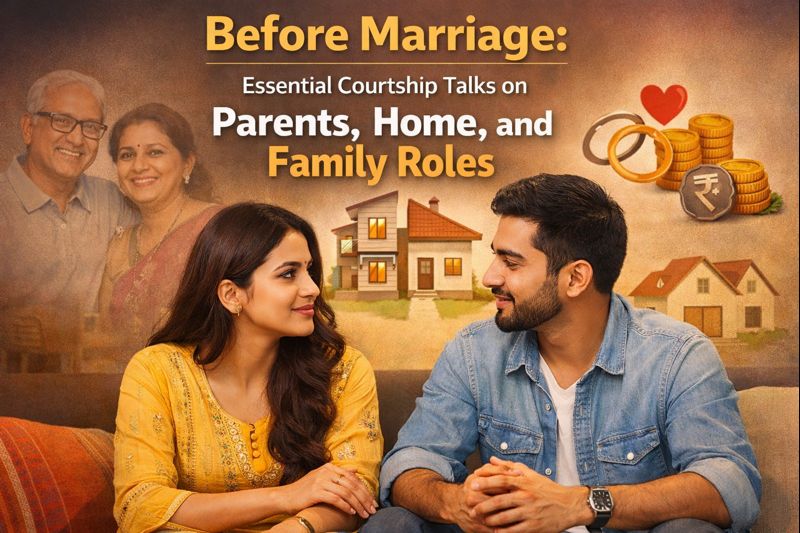
In India, marriage is never just about two individuals—it is a union of families, expectations, resp...
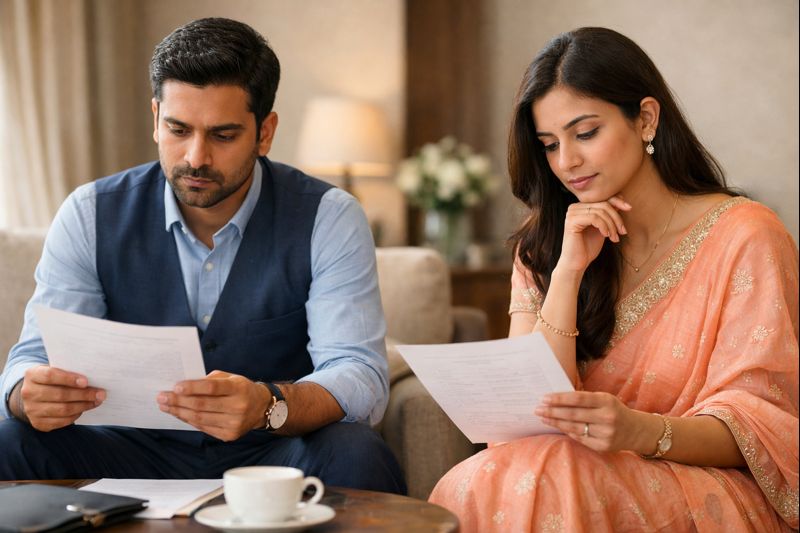
In the Indian matchmaking system, a marriage biodata is much more than a formal introduction. It is...

Introduction: Marriage Is a Decision, Not a Discovery Choosing a life partner is one of the most si...
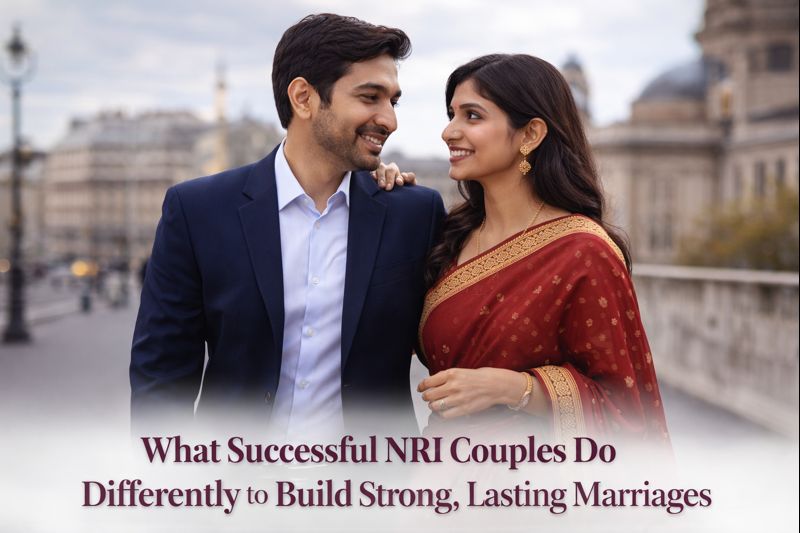
Introduction: Successful NRI Marriages Are Built on Clarity, Not Chance Non-Resident Indian (NRI) m...