How to Handle Cultural Differences in Love Marriages
2026-01-31Love marriages are built on emotional connection, mutual respect, and personal choice. However, when...
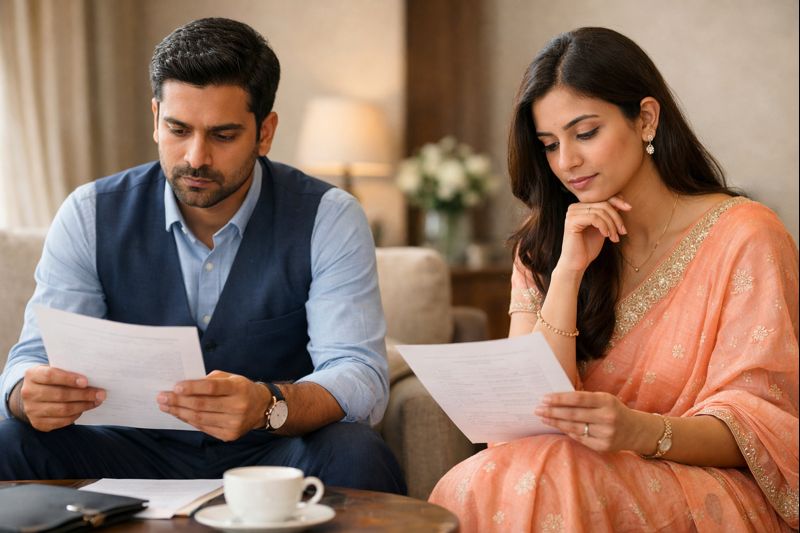
In the Indian matchmaking system, a marriage biodata is much more than a formal introduction. It is the starting point of a lifelong decision. While most people carefully mention personal details like education, profession, caste, and family background, partner preferences in a marriage biodata are often written casually—or skipped altogether.
This is where many matches go wrong.
Clear, well-thought-out partner preferences help families shortlist better matches, reduce misunderstandings, and increase the chances of long-term compatibility—especially in arranged marriages and online matrimony platforms like Digi Shaadi.
In this blog, we’ll explain why partner preferences matter in a marriage biodata, how they influence Indian matchmaking, and how to write them correctly without limiting good rishtas.
Partner preferences describe the qualities, values, and expectations you seek in a life partner. In the Indian context, these usually include:
Age range
Height (optional, not rigid)
Education and career
Location (same city, India, or abroad)
Religion, caste, or community (if relevant)
Lifestyle habits
Family values
Willingness to relocate
Career expectations after marriage
In Indian marriages, partner preferences are not demands—they are guidelines for compatibility.
Indian marriages involve two families, not just two individuals. When partner preferences are clearly mentioned in the marriage biodata:
Families know what kind of rishta to approach
Awkward conversations are avoided later
Emotional investment happens only after basic alignment
This clarity saves time, effort, and emotional stress for everyone involved.
In online matrimony, hundreds of profiles may appear suitable at first glance. Partner preferences act as a natural filter.
With clear preferences:
Irrelevant profiles reduce automatically
Conversations start on common ground
Parents can confidently move ahead with talks
This is especially helpful for working professionals, NRIs, and parents managing profiles.
A thoughtfully written partner preference section signals that:
You understand your values
You know what matters in marriage
You are serious about long-term commitment
In Indian matchmaking, clarity is seen as responsibility, not rigidity.
Many marital issues arise not due to incompatibility—but due to unspoken expectations.
Common examples:
Career continuation after marriage
Living with parents vs nuclear setup
Relocation after marriage
Lifestyle differences
Mentioning these (respectfully) in partner preferences reduces future misunderstandings and disappointment.
On trusted platforms like Digi Shaadi, partner preferences directly impact:
Profile recommendations
Match relevance
Response rates
Incomplete or vague preferences often lead to poor-quality leads and repeated rejections.
Multiple calls but no progress
Rishtas break after family discussions
Emotional fatigue
“Yeh baat pehle kyun nahi boli?” situations
Faster shortlisting
Honest conversations
Better family alignment
Higher chances of successful marriage
Truth: Unrealistic preferences reduce matches, not clear ones.
Truth: Families appreciate clarity more than surprises later.
Truth: Some things are better clarified before emotions get involved.
Avoid sounding demanding or transactional.
Mindset, family values, and communication matter more than checklists.
Preferences should guide—not block—genuine matches.
Looking for an educated, family-oriented partner with modern thinking and respect for traditions. Someone who values communication, mutual respect, and long-term commitment. Open to discussing location and career plans after mutual understanding.
Why this works:
Clear yet flexible
Suitable for Indian families
Encourages conversation, not rejection
In most Indian marriages, parents play an active role. Clear partner preferences help them:
Approach the right families confidently
Avoid uncomfortable discussions later
Represent their child accurately
This builds trust between families, which is crucial in arranged marriages.
Today’s Indian marriages balance:
Tradition and individuality
Family expectations and personal goals
Emotional connection and practical compatibility
Partner preferences act as a bridge between tradition and modern matchmaking.
A marriage biodata is not only about who you are—it’s also about who you are compatible with.
Well-defined partner preferences in a marriage biodata:
Improve match quality
Reduce misunderstandings
Save time and emotions
Increase chances of a successful marriage
Whether you are creating a biodata for yourself or your child, never underestimate the importance of partner preferences.

Love marriages are built on emotional connection, mutual respect, and personal choice. However, when...

Finding a life partner as an NRI is very different from local matchmaking in India. Along with emoti...
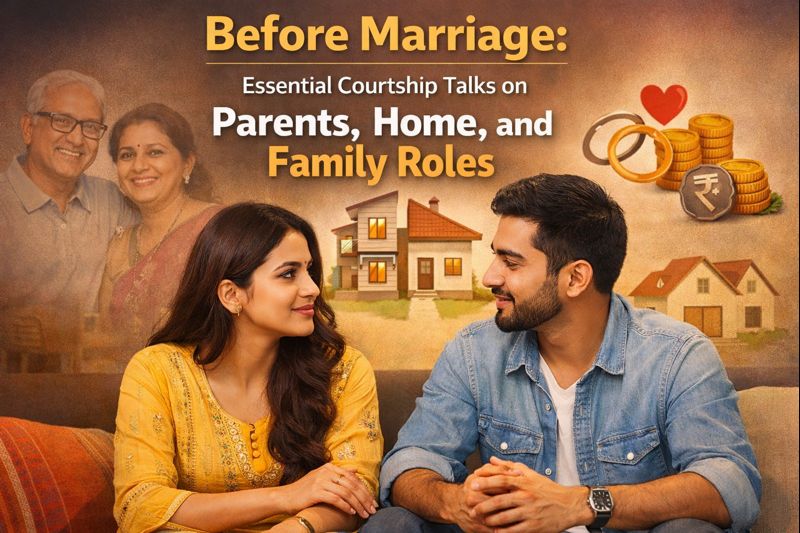
In India, marriage is never just about two individuals—it is a union of families, expectations, resp...

Introduction: Marriage Is a Decision, Not a Discovery Choosing a life partner is one of the most si...
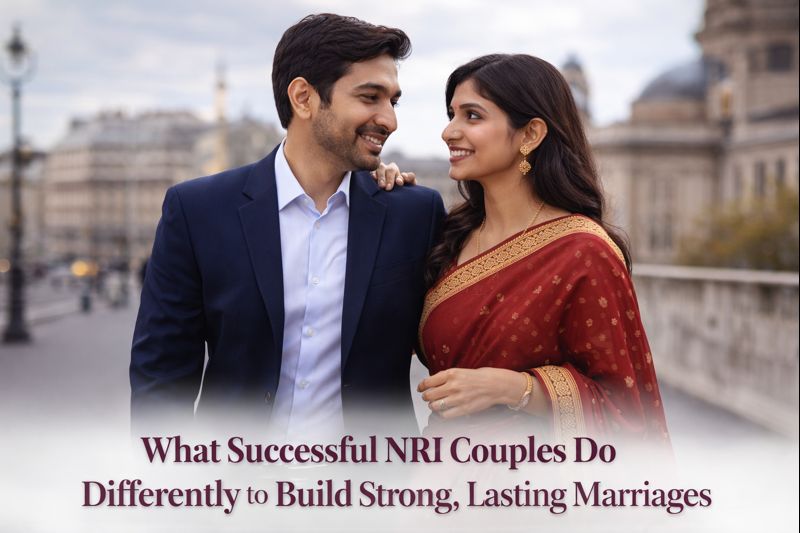
Introduction: Successful NRI Marriages Are Built on Clarity, Not Chance Non-Resident Indian (NRI) m...

Introduction: NRI Marriage Is Not Just Long-Distance Love Finding an NRI life partner is not merely...