How to Handle Cultural Differences in Love Marriages
2026-01-31Love marriages are built on emotional connection, mutual respect, and personal choice. However, when...
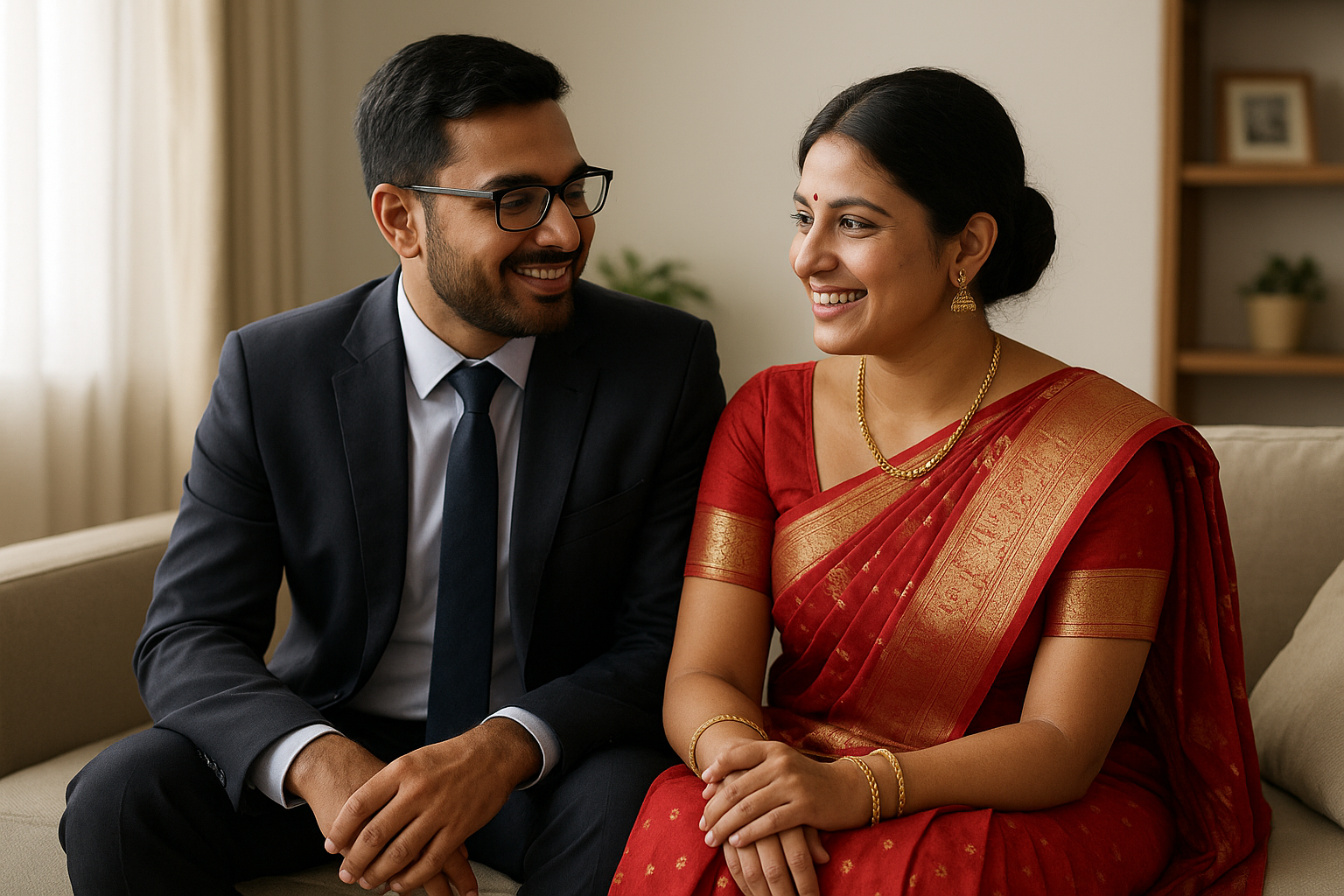
Marriage has always been one of the most significant milestones in an individual’s life. For Non-Resident Indians (NRIs), the journey toward finding a life partner often comes with additional layers of complexity. Living abroad exposes them to different cultures, lifestyles, and values, while their families back in India may expect them to preserve traditional practices. As a result, cultural compatibility becomes one of the most important aspects of NRI marriages.
While physical attraction, education, and financial stability play their roles, the long-term success of a marriage often depends on whether two people share compatible cultural values. In fact, many studies suggest that “culture clash” is a primary cause of misunderstandings in NRI relationships.
In this blog, we will explore why cultural compatibility matters in NRI marriages, the common challenges couples face, and how modern online matrimony platforms are bridging cultural gaps to help NRIs find truly compatible partners.
Unlike local marriages where partners may share a similar background, NRIs often navigate between two worlds: the culture of their host country and their Indian roots. This dual exposure shapes their outlook on life, relationships, and marriage.
When choosing a life partner, cultural compatibility ensures:
Shared Values and Beliefs – Whether it’s about family structures, career choices, or religious practices, shared values minimise friction in decision-making.
Seamless Family Integration – For NRIs, family expectations from India remain strong. Cultural compatibility helps in balancing expectations of both families.
Better Conflict Resolution – When couples understand each other’s cultural conditioning, it becomes easier to handle disagreements.
Long-Term Stability – Research shows that couples who share cultural values have greater marital satisfaction and resilience.
As highlighted in Compatibility vs. Convenience: What Makes a Match Truly work; convenience may bring people together, but compatibility ensures the relationship thrives.
One partner may lean towards traditional Indian values such as joint families, arranged weddings, and religious rituals, while the other may prefer independence, nuclear setups, or minimalist ceremonies.
Indian families often play an active role in marriage decisions. However, NRIs raised abroad may prefer autonomy. Balancing these expectations can be a challenge.
For example, an NRI Hindu who celebrates Diwali differently abroad may marry someone who expects full-fledged traditional celebrations. These differences can create friction.
Work-life balance is a recurring issue. As discussed in Work-Life Compatibility: What Working Professionals Look for in a Life Partner, professional demands often influence expectations in marriage, especially for NRIs with global careers.
Children of NRI couples may grow up in multicultural environments. Parents often differ in how much they want to expose children to Indian traditions versus host-country values.
An NRI raised in the West may have a very different perspective on savings, expenses, or lifestyle compared to a partner raised in India.
Online matrimony platforms are no longer limited to basic matchmaking. Today, they integrate cultural filters, personality-based compatibility algorithms, and family-orientated details to help NRIs find matches who align with their cultural and personal expectations.
As explained in How Matrimony Sites Match You: Algorithms, Filters & Human Touch, modern platforms don’t just look at age, caste, and location. They analyse values, lifestyle preferences, and even regional traditions.
Community-Specific Platforms: As described in How to Choose the Right Platform for Your Community, some matrimony sites cater to specific communities (Tamil, Punjabi, Christian, etc.), ensuring cultural alignment.
Premium NRI Filters: Platforms now include NRI-specific features such as time-zone matching, visa status, and country-specific lifestyle preferences.
Faith-Based Matching: As explained in Faith-Based Matching: How Religion Shapes Matrimony Matches, faith plays a strong role in marriage decisions, particularly in NRI families.
Profile Depth: Sites encourage users to highlight cultural practices, family expectations, and lifestyle choices in profiles, reducing potential conflicts later.
Transparency is key. Discuss career plans, family expectations, religious practices, and parenting approaches before committing.
Couples should embrace each other’s cultural traditions rather than reject them. For example, celebrating both Thanksgiving and Diwali enriches family life.
As explored in Marriage Matrimony Sites vs. Traditional Matchmaking: What Indian Families Think, family involvement is crucial but needs balance. Digital platforms allow families to participate without being overbearing.
With NRIs often juggling demanding jobs, partners should decide how to prioritise family time and careers. The blog Why Career Compatibility Matters in Modern Marriage Decisions sheds light on why these conversations cannot be ignored.
Instead of arguing over which tradition is “right”, couples can create their own blend of rituals. This not only prevents clashes but also gives a unique identity to the marriage.
With globalisation and the rise of technology, the concept of compatibility is evolving. Younger NRIs expect partners who understand both their global outlook and Indian traditions.
Matrimony platforms are now investing in:
AI-driven compatibility tools (see AI and Compatibility Matching: The Future of Matrimony Sites)
Virtual family introductions for cross-border families
Hybrid traditions where rituals are adapted for modern, multicultural settings
As highlighted in The Future of Matrimony Platforms: What’s Changing in 2025, innovation will only make cultural alignment more accessible.
For NRIs, marriage is not just about two people—it’s about balancing two cultures, two families, and often two countries. Cultural compatibility is not optional but essential for ensuring long-term harmony in such marriages.
While culture clashes are common, they are not insurmountable. With open communication, mutual respect, and the help of advanced online matrimony platforms, NRIs can find partners who truly resonate with their values.
As more NRIs turn to online matrimony platforms in India, the focus will continue shifting from convenience to deeper compatibility. Ultimately, love rooted in cultural understanding creates stronger, lasting bonds across borders.

Love marriages are built on emotional connection, mutual respect, and personal choice. However, when...

Finding a life partner as an NRI is very different from local matchmaking in India. Along with emoti...
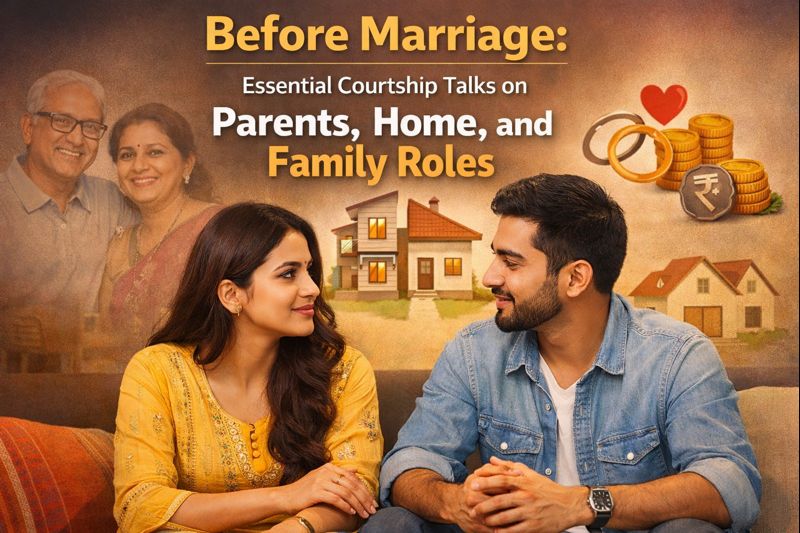
In India, marriage is never just about two individuals—it is a union of families, expectations, resp...
In the Indian matchmaking system, a marriage biodata is much more than a formal introduction. It is...

Introduction: Marriage Is a Decision, Not a Discovery Choosing a life partner is one of the most si...
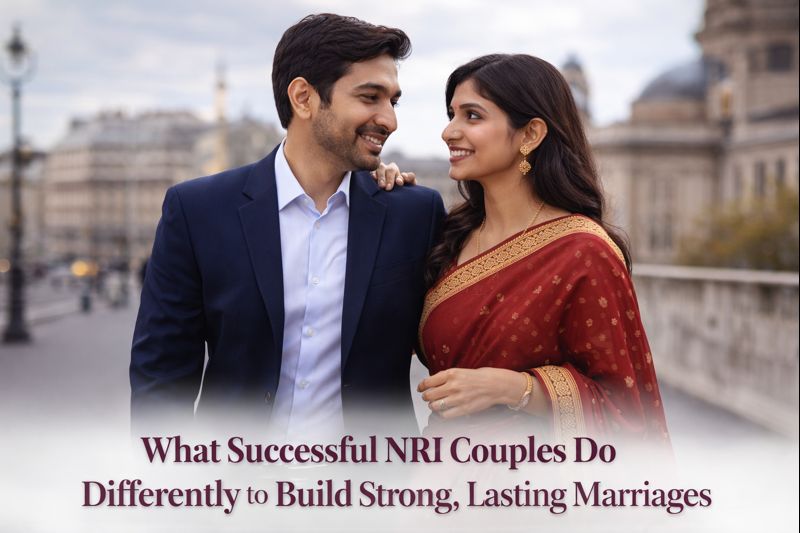
Introduction: Successful NRI Marriages Are Built on Clarity, Not Chance Non-Resident Indian (NRI) m...