How to Handle Cultural Differences in Love Marriages
2026-01-31Love marriages are built on emotional connection, mutual respect, and personal choice. However, when...

For decades, marriages were built either on emotions or on practical considerations. Some couples believed love alone could overcome every challenge, while others relied heavily on logic, background checks, and social alignment. Today, both approaches, when followed in isolation, often fall short.
Modern marriages succeed when love, logic, and compatibility coexist. Love creates emotional connection, logic provides stability, and compatibility determines whether a relationship can sustain daily life and long-term responsibilities.
In an era shaped by career ambitions, financial independence, evolving family roles, and cultural diversity, marriage is no longer about compromise alone—it is about conscious alignment. This article explores why balancing emotions with practicality has become the new formula for a stable and fulfilling marriage.
Love is usually the first spark in any relationship. It brings closeness, attraction, emotional safety, and a sense of belonging. However, love alone does not prepare couples for the realities of everyday life after marriage.
Practical compatibility defines how two individuals function together once the initial emotional excitement settles. It includes lifestyle preferences, communication patterns, emotional maturity, daily routines, and the ability to resolve conflicts constructively.
Strong emotional bonding cannot compensate for constant lifestyle clashes
Different priorities can gradually create dissatisfaction
Poor conflict management leads to unresolved resentment
Many couples discover incompatibilities only after marriage, when routine replaces romance and responsibilities increase.
Relationships may become functional but emotionally distant
Lack of emotional intimacy reduces personal connection
Marriage may start feeling more like an arrangement than a partnership
Successful marriages combine emotional depth with practical alignment. Love keeps the relationship meaningful, while compatibility ensures it remains stable during challenges, transitions, and growth phases.
Financial stress remains one of the most common causes of marital conflict. Contrary to popular belief, these disagreements are rarely about how much a couple earns. They usually stem from secrecy, mismatched financial values, and unspoken expectations.
Different spending and saving habits
Unclear division of financial responsibilities
Hidden debts or obligations
Lifestyle expectations that were never discussed
Open communication about income, expenses, liabilities, and future plans builds trust and reduces uncertainty. Couples who discuss money openly are better equipped to handle financial pressure without damaging their relationship.
Honest financial discussions before marriage
Shared understanding of financial priorities
Mutual respect for individual financial choices
Joint planning for long-term goals
Transparency transforms money from a source of conflict into a shared responsibility.
In many societies, marriage extends beyond two individuals to include families. Expectations around living arrangements, career decisions, traditions, and responsibilities often shape marital dynamics.
Expectations regarding joint or nuclear family living
Prescribed gender roles and responsibilities
Interference in personal decisions
Differences in family values and beliefs
Ignoring family influence can create lasting tension, while prioritizing family expectations over the marriage can weaken the emotional bond between partners.
Clear and respectful communication between partners
Setting boundaries without disrespect
Supporting each other during family conflicts
Making decisions together rather than individually
Strong marriages are built when partners act as a united team while navigating family expectations thoughtfully.
Cultural diversity enriches relationships but also introduces complexity. Differences in traditions, food habits, language, rituals, and social norms require understanding and adaptability.
Religious practices and rituals
Festival celebrations
Food preferences and daily habits
Expectations around gender roles
When one partner’s culture dominates the relationship, the other may feel unheard or undervalued. Over time, this imbalance can lead to resentment and emotional withdrawal.
Cultural flexibility does not involve abandoning one’s values. It means respecting differences, being open to adaptation, and creating shared traditions that honor both backgrounds.
Mutual respect strengthens trust and deepens emotional connection.
While attraction and compatibility address the present, long-term vision alignment determines the future of a marriage. Differences in life goals often surface after marriage when they are hardest to resolve.
Career growth and professional priorities
Financial planning and investments
Children and parenting philosophies
Location and lifestyle preferences
Growing emotional distance
Repeated conflicts over major decisions
Feelings of being unsupported or misunderstood
Couples who discuss long-term plans early are more likely to grow together. Alignment does not require identical goals, but it does require mutual understanding, flexibility, and shared direction.
Marriage today is not about choosing between love and logic. It is about integrating emotional connection with practical understanding and long-term compatibility.
Love builds the bond.
Logic provides stability.
Compatibility ensures longevity.
When these elements work together, marriages become more resilient, adaptable, and fulfilling. Modern couples who invest time in understanding each other beyond emotions lay a strong foundation for a balanced and lasting partnership.

Love marriages are built on emotional connection, mutual respect, and personal choice. However, when...

Finding a life partner as an NRI is very different from local matchmaking in India. Along with emoti...
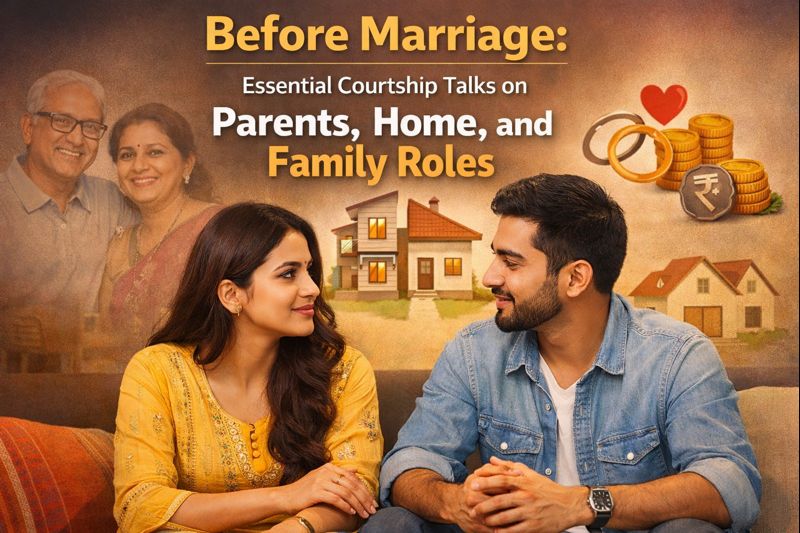
In India, marriage is never just about two individuals—it is a union of families, expectations, resp...
In the Indian matchmaking system, a marriage biodata is much more than a formal introduction. It is...

Introduction: Marriage Is a Decision, Not a Discovery Choosing a life partner is one of the most si...
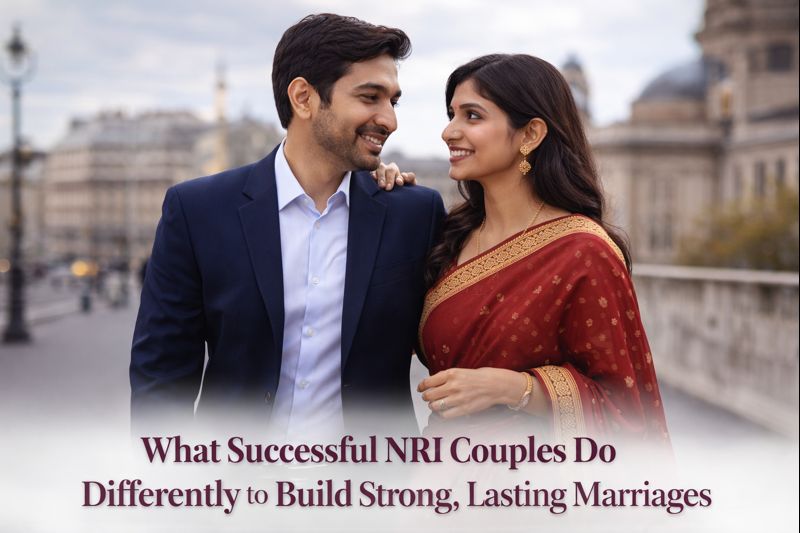
Introduction: Successful NRI Marriages Are Built on Clarity, Not Chance Non-Resident Indian (NRI) m...