How to Handle Cultural Differences in Love Marriages
2026-01-31Love marriages are built on emotional connection, mutual respect, and personal choice. However, when...
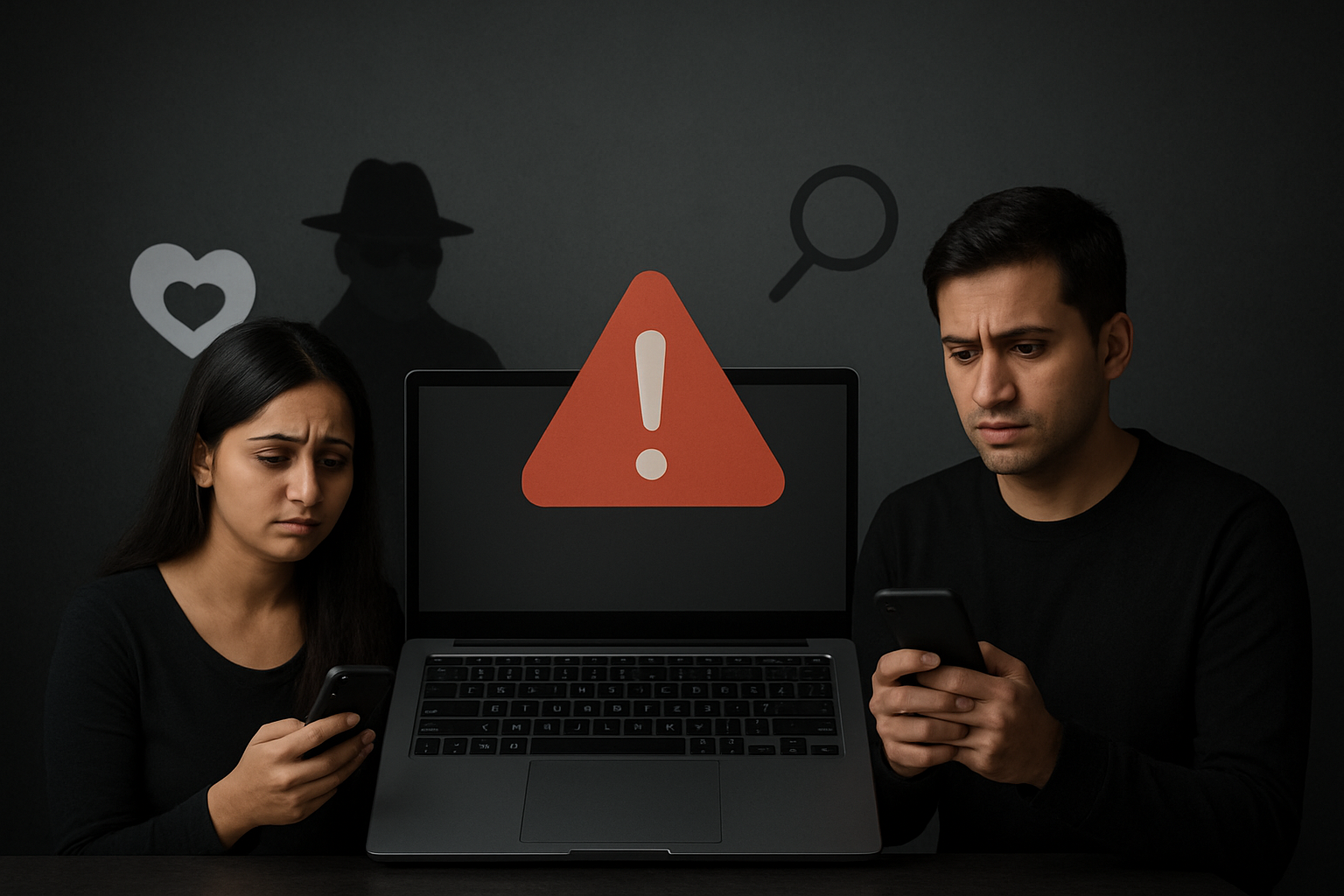
Online matrimony platforms have revolutionized the way Indians find life partners, especially for NRIs and busy professionals who may not have time for traditional matchmaking. These platforms offer convenience, advanced filters, and compatibility-based matching. However, with the rise of digital matchmaking also comes the dark side—matrimonial scams.
From fake matrimonial profiles to online marriage fraud schemes that prey on unsuspecting individuals, these scams are a growing concern. According to cybercrime reports in India, marriage fraud cases are among the most common forms of online deception. For genuine individuals seeking a life partner, awareness and safety are crucial.
In this blog, we’ll explore the types of matrimonial scams, how to detect frauds, and best practices to stay safe on matrimony platforms.
As more people turn to online platforms, scammers see an opportunity. Matrimony sites are built on trust, but fraudsters exploit that trust by creating fake profiles, misrepresenting their identities, or using emotional manipulation to extort money.
The growing use of premium matrimony platforms and advanced AI-driven matchmaking has reduced many risks (see The Rise of Premium Matrimony Platforms for Working Professionals), but fraudsters still find loopholes. Some common reasons for the rise of scams include:
Lack of proper verification by free matrimony platforms.
Emotional vulnerability of users seeking a genuine match.
Cross-border matchmaking, where NRIs become easy targets.
Limited awareness about cybercrime in matrimony.
If you’re planning to register on a matrimony platform, it’s important to know how these scams work and how to safeguard yourself.
Fraudsters operate in different ways. Here are the most common matrimony site frauds:
Scammers often create fake matrimonial profiles with stolen photos or fake biodata. They may pretend to be professionals, NRIs, or wealthy individuals to attract attention. Recognizing the signs of fake profiles on matrimony sites—such as stock images, incomplete information, or inconsistent details—is the first step to avoiding them.
Read more about How to Create a Winning Matrimony Profile to see what genuine profiles should look like.
One of the most reported online matchmaking scams is when fraudsters build emotional trust and later request money—either for emergencies, visa processing, or travel. Genuine matches will never pressure you for financial help early in the conversation.
Some scammers hide critical details like marital status, financial condition, or even criminal background. Such matrimonial fraud complaints are common, where victims only realise the truth after marriage talks progress.
Many marriage fraud cases in India involve NRI matches. Fraudsters pretend to be abroad, asking for large sums of money for travel, documents, or investments. This highlights the importance of verifying NRI profiles carefully (see NRI Matrimony Matches: Finding Love Across Borders).
Some cybercriminals gain personal information or photos during conversations and later use them for blackmail. Such cybercrime in online matrimony cases is on the rise, making privacy protection essential.
Not all matrimonial scams are about quick financial gain. Some fraudsters engage in marriages of convenience, where their true intention is immigration benefits, property access, or other material advantages.
For example, someone may pose as an NRI offering a dream life abroad, only to abandon the marriage once their visa is secured. Others may seek marriage to access family wealth or business connections.
The safest way to prevent such frauds is by conducting background checks, involving your family early in the process, and insisting on full transparency regarding personal, professional, and financial intentions.
Detecting scammers early can save you from heartbreak and financial loss. Here are some warning signs:
Profiles with only one or two professional-looking photos.
Inconsistent personal details (education, job, or location keeps changing).
Reluctance to have a video call or meet in person.
Early discussions about money, visas, or financial help.
Overly fast-paced relationship development, such as quick talk of marriage.
Poor grammar or suspiciously generic profile descriptions.
If you notice these signs of fake profiles, treat them as red flags and proceed cautiously.
Modern matrimony platforms are using AI and compatibility matching to make the search safer (see AI and Compatibility Matching: The Future of Marriage Matrimony Sites). Some safety measures include:
Profile verification through Aadhaar, passport, or work ID.
AI-based fake photo detection to identify stolen images.
Fraud reporting tools for suspicious activities.
Secure chat systems that prevent sharing of sensitive data too early.
As users, you must still take personal responsibility by learning safe online matrimony practices and reporting suspicious activity.
Here are practical marriage fraud prevention tips:
Verify the profile details – Always cross-check education, work, and family details. Learn How to Verify a Matrimony Profile.
Avoid sharing sensitive personal data – Don’t reveal addresses, financial details, or passport copies early on.
Use video calls before meetings – this ensures the person matches their profile.
Meet in safe environments – Always choose public places for initial meetings.
Involve family early – Parents and elders often spot red flags we may miss (see Benefits of Using Online Matrimony Portals Over Traditional Matchmaking).
Beware of emotional manipulation – Scammers often exploit loneliness to request money.
Report suspicious users – Use matrimony platforms’ fraud-reporting systems.
While online matrimony portals dominate today, traditional newspaper matrimonial ads still hold relevance, especially for families who prefer tried-and-tested methods. Reputable newspapers have vetting processes that reduce the risk of fake matrimonial profiles.
That said, online platforms like DigiShaadi offer advanced verification tools, AI-driven fraud detection, and wider reach, making them more convenient and customizable for modern users. A smart approach is to combine both—leveraging newspaper credibility and online convenience.
Read more about Marriage Matrimony Sites vs. Traditional Matchmaking: What Indian Families Think.
When dealing with strangers online, protecting your privacy should be your top priority. Instead of using your primary email or personal phone number, consider creating a dedicated email ID or secondary SIM only for matrimony-related communication.
This small step ensures:
Your personal inbox remains free of suspicious or spam messages.
Scammers cannot misuse your personal contact details.
You maintain control until trust is established.
Couple this with safe online matrimony practices, like not oversharing personal details too soon, and you drastically reduce risk.
Raising matrimonial scam awareness is just as important as using technology. Blogs, awareness campaigns, and user education can prevent thousands of fraud cases.
DigiShaadi frequently shares insights about avoiding scams and choosing the right matrimony site. You can read How to Avoid Scams on Matrimony Platforms for in-depth safety tips.
If you encounter suspicious activity on an online matrimony portal, report it immediately through the platform’s fraud complaint system. However, if you come across scams through newspaper ads, don’t hesitate to inform the publication directly.
In serious cases like identity theft, extortion, or marriage fraud cases in India, victims should file an official complaint with the Cybercrime Cell. The faster you act, the better chance authorities have to track and stop fraudsters.
The good news is that matrimony platforms are evolving. Features like AI-based fraud detection, premium verification, and smarter filters are making the process safer than ever. According to The Future of Matrimony Platforms, users can expect stronger fraud prevention systems in the coming years.
As platforms improve, the responsibility also lies with users to practise caution and safe online matrimony practices. By being informed, vigilant, and proactive, you can focus on what truly matters—finding a compatible life partner without falling prey to scams.
Matrimonial scams are an unfortunate reality of the digital age, but with awareness, verification, and platform support, they can be avoided. Whether it’s fake matrimonial profiles, online matchmaking scams, marriages of convenience, or NRI frauds, vigilance is your best defense.
If you’re planning to join a matrimony site, remember:
Trust but verify.
Don’t share money or personal details too soon.
Involve family and use platform safety tools.
Marriage is a lifelong journey. Don’t let fraudsters disrupt it—stay informed, stay safe, and let technology work for you.
Love marriages are built on emotional connection, mutual respect, and personal choice. However, when...
Finding a life partner as an NRI is very different from local matchmaking in India. Along with emoti...
In India, marriage is never just about two individuals—it is a union of families, expectations, resp...
In the Indian matchmaking system, a marriage biodata is much more than a formal introduction. It is...

Introduction: Marriage Is a Decision, Not a Discovery Choosing a life partner is one of the most si...
Introduction: Successful NRI Marriages Are Built on Clarity, Not Chance Non-Resident Indian (NRI) m...