How to Handle Cultural Differences in Love Marriages
2026-01-31Love marriages are built on emotional connection, mutual respect, and personal choice. However, when...
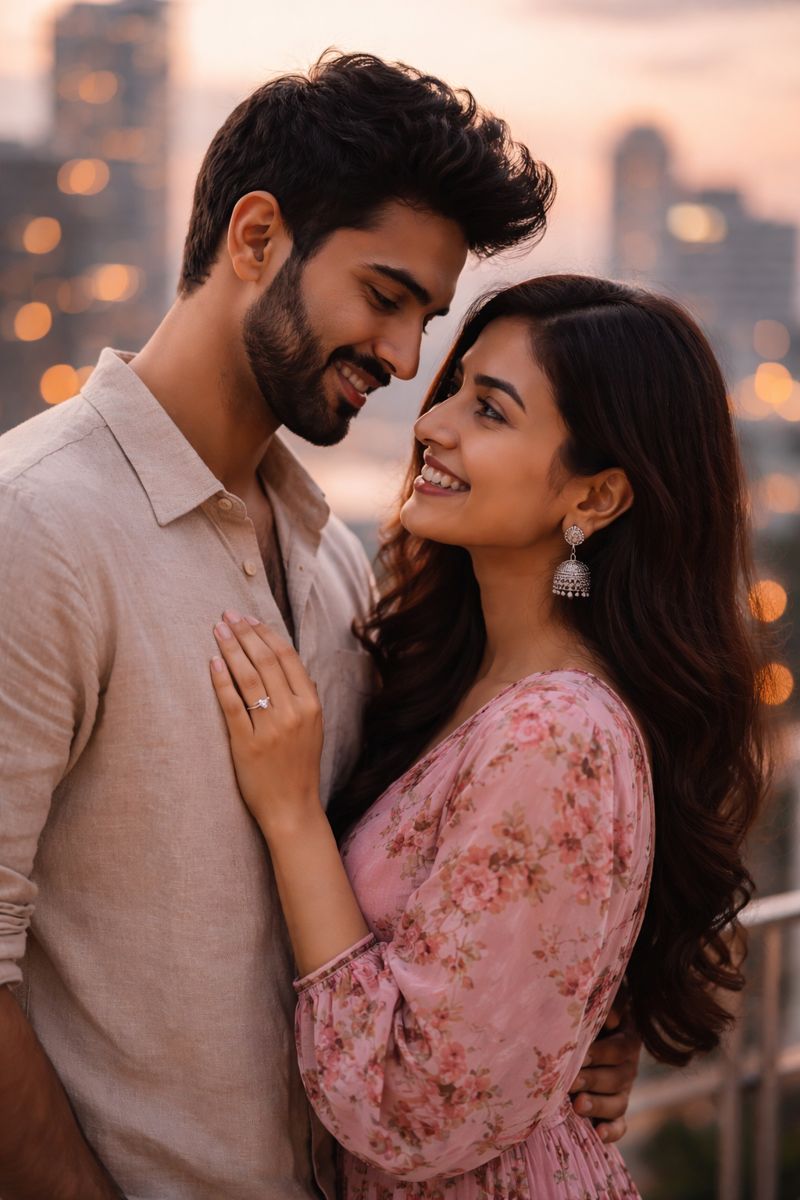
Marriage in India was never just about two people. It has always been about families, expectations, social acceptance, and long-term responsibility. What has changed today is not the importance of marriage, but how Indians arrive at that decision.
Contrary to popular belief, modern Indian marriages are not rejecting tradition. They are questioning outdated assumptions, renegotiating roles, and using technology to make more informed choices. The result is not chaos—but a carefully evolving system where love, logic, family values, and personal agency coexist.
This shift is subtle, complex, and deeply Indian.
The biggest myth about modern Indian marriages is that love marriages are replacing arranged ones. The reality is far more nuanced.
Today’s marriages are strong because:
Individuals evaluate compatibility themselves
Families still validate values and backgrounds
Decisions are slower but more deliberate
This has given rise to choice-based marriages, where the process is neither blindly arranged nor impulsively romantic. It is structured, discussed, and consciously chosen.
Marriage has moved from “decided for you” to “decided with you.”
Online matrimony didn’t disrupt Indian marriage values; it filtered noise from necessity.
Earlier, families relied on:
Limited social circles
Community bias
Incomplete information
Today, digital matchmaking allows:
Transparent profile details
Pre-marriage communication
Clear expectation-setting
Family involvement at the right stage
Technology has shifted marriage from chance-based matching to compatibility-based matching, reducing emotional and social risk.
Marrying late is often misunderstood as hesitation. In reality, it reflects higher standards for readiness.
Modern Indians delay marriage because they want:
Emotional maturity
Financial clarity
Career direction
Mental readiness
This has reduced:
Impulsive decisions
Forced compromises
Dependency-driven unions
Marriage is no longer a starting point—it is a milestone reached consciously.
Earlier generations assumed emotions would “adjust later.” Modern couples know better.
Today, emotional compatibility includes:
Communication during conflict
Respect for mental health
Boundaries with families
Shared expectations of partnership
This shift has reduced silent suffering and normalized conversations that were once taboo. Marriage is no longer about endurance—it’s about emotional sustainability.
Caste has not disappeared, but it has lost its absolute authority.
Urban exposure, education, and digital matchmaking have:
Increased inter-caste acceptance
Reduced fear of social isolation
Encouraged value-based filtering
For many families, caste is now one factor—not the final verdict. The decision has shifted from “same caste only” to “same mindset first.”
Modern Indian marriages are redefining partnership.
Key changes:
Dual-income households are normal
Financial decisions are shared
Household responsibilities are negotiated, not assigned
Emotional labour is acknowledged
This doesn’t eliminate conflict—but it makes marriage more transparent and accountable.
The obsession with grand weddings is fading for a reason.
Couples today prefer:
Financial sanity over social display
Intimate ceremonies over crowd approval
Experiences over expectations
This shift reflects a deeper realization:
A marriage needs investment, not performance.
This hybrid model is uniquely Indian—and remarkably effective.
It allows:
Emotional connection before commitment
Family validation without pressure
Cultural continuity with personal freedom
Instead of rebellion or blind obedience, couples are choosing collaboration.
Modern Indian couples ask uncomfortable but necessary questions:
Who handles money?
What happens after children?
How involved will families be?
Are careers flexible?
This realism has reduced mismatched expectations and increased long-term stability.
Global culture has expanded choices—but Indian values still anchor decisions.
Live-in relationships, court marriages, and cross-cultural unions exist, but most couples still:
Seek family acceptance
Respect cultural rituals
Value long-term commitment
India is not westernizing marriage—it is customizing it.
Modern marriage trends in India reflect maturity, not rebellion. Indians today are not running away from marriage—they are running toward better marriages.
With informed decision-making, emotional awareness, technological support, and cultural grounding, marriage has become less about pressure and more about partnership.
In a society where marriage still matters deeply, modern Indians are proving that tradition survives best when it evolves.
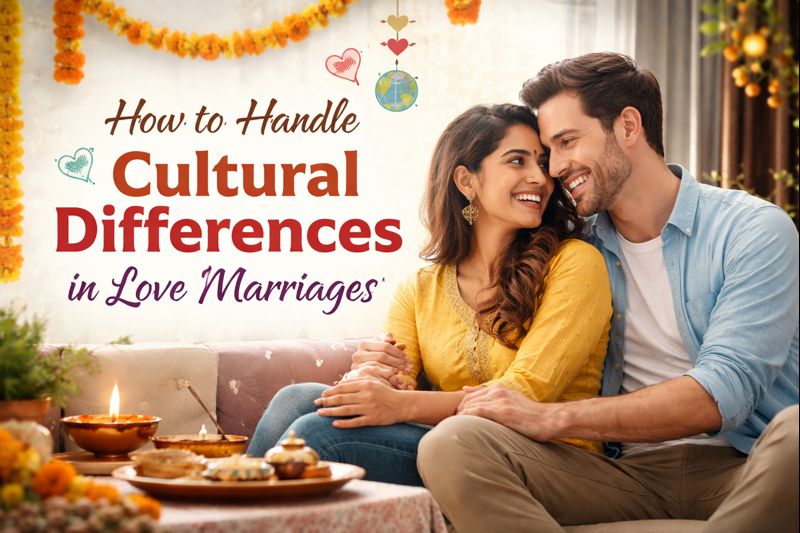
Love marriages are built on emotional connection, mutual respect, and personal choice. However, when...
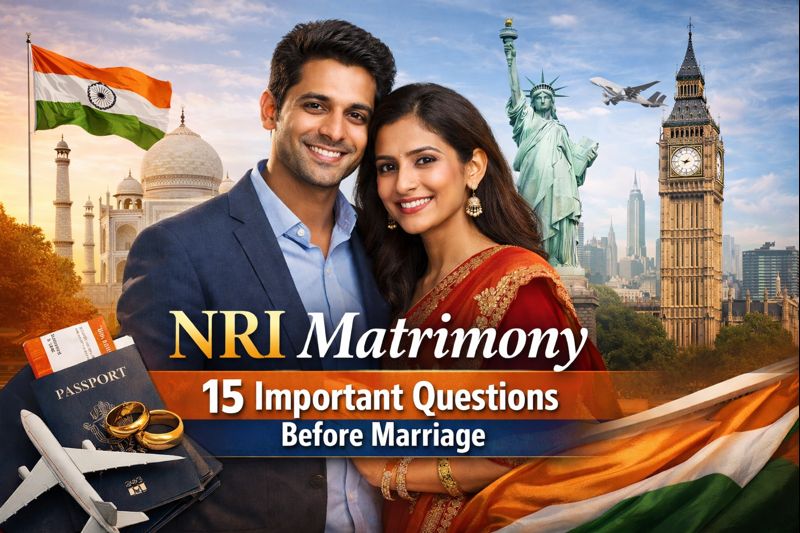
Finding a life partner as an NRI is very different from local matchmaking in India. Along with emoti...
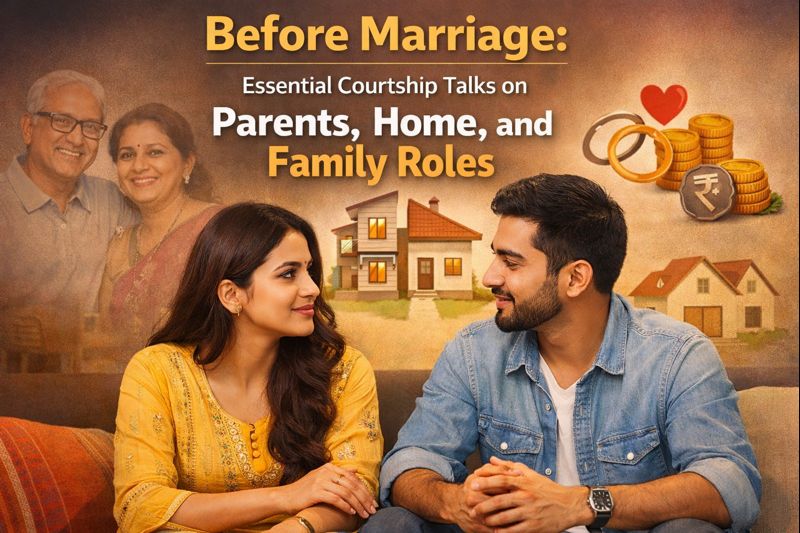
In India, marriage is never just about two individuals—it is a union of families, expectations, resp...
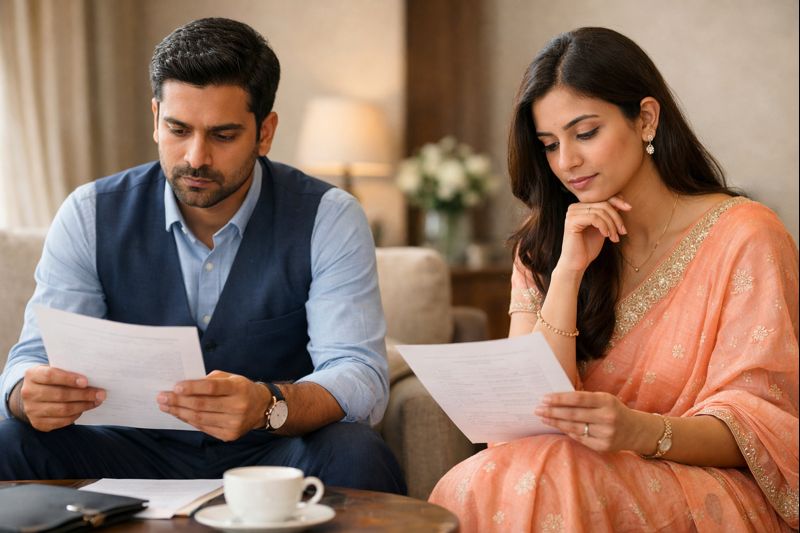
In the Indian matchmaking system, a marriage biodata is much more than a formal introduction. It is...
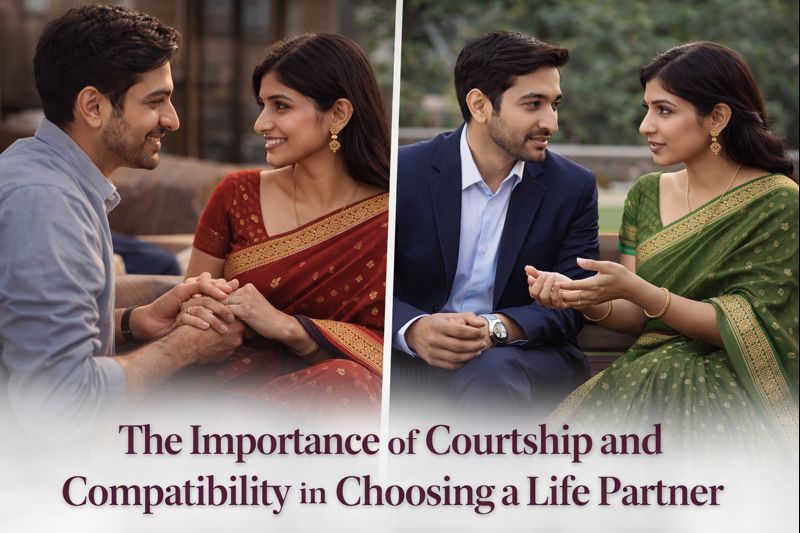
Introduction: Marriage Is a Decision, Not a Discovery Choosing a life partner is one of the most si...
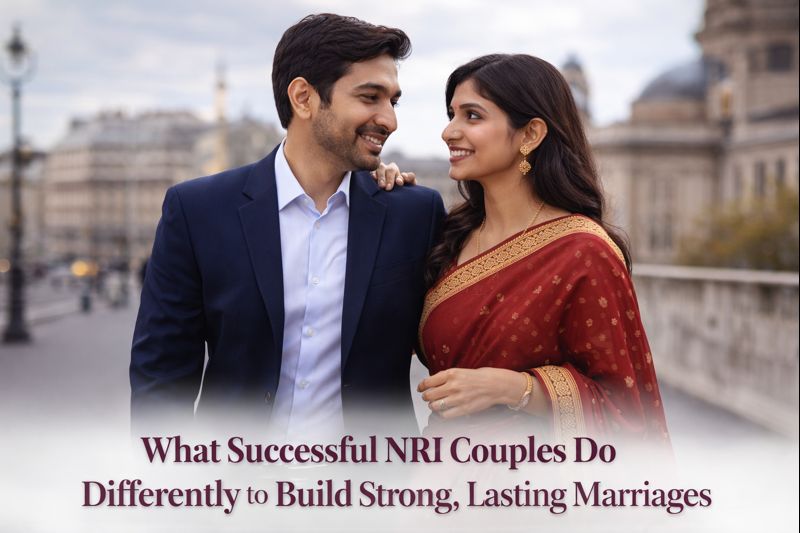
Introduction: Successful NRI Marriages Are Built on Clarity, Not Chance Non-Resident Indian (NRI) m...