How to Handle Cultural Differences in Love Marriages
2026-01-31Love marriages are built on emotional connection, mutual respect, and personal choice. However, when...
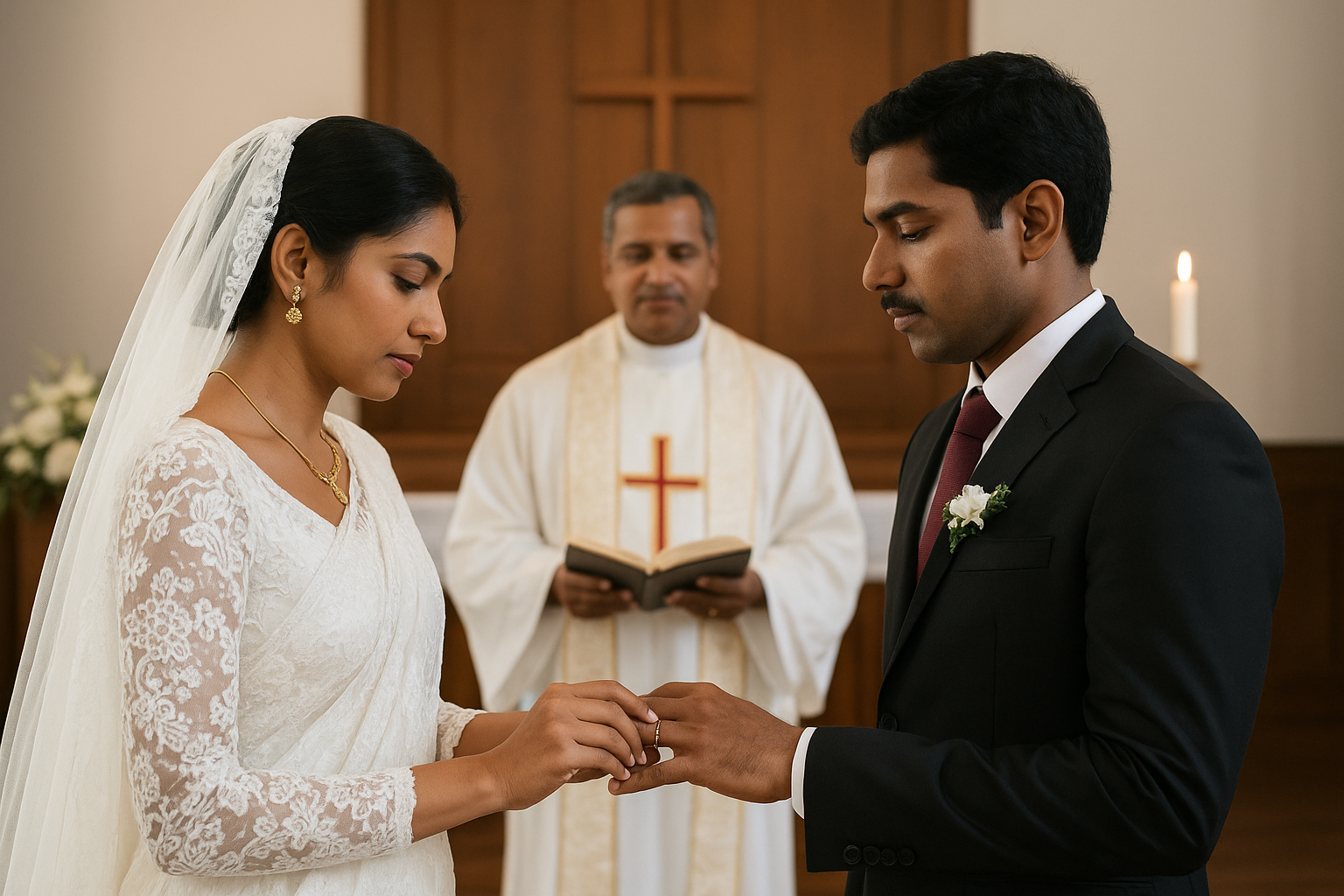
Tamil Christian weddings hold a unique charm. They are a beautiful blend of Biblical traditions, Tamil cultural influences, and modern-day adaptations. Over the decades, these weddings have undergone a remarkable transformation. While older generations followed rituals strictly within the church and community, today’s couples often seek a mix of tradition and personalization—balancing faith with contemporary lifestyles.
In this blog, we’ll explore the evolution of Tamil Christian weddings—from traditional practices to modern interpretations. We’ll also discuss how families and couples today adapt rituals to suit their values, lifestyles, and global influences.
To understand the changes, one must first know where it all began. Tamil Christianity dates back centuries, with deep roots in missionary traditions. Tamil Christian weddings were traditionally solemn, conducted in churches with strict adherence to Catholic, Protestant, or Orthodox customs. The emphasis was on simplicity, devotion, and community blessings.
Some traditional wedding elements included:
Engagement (Nichayathartham): Families exchanged betrothal agreements and sought blessings.
Bridal Attire: Brides wore white sarees (symbolising purity), while grooms wore suits.
Church Ceremony: The priest conducted the vows, rings were exchanged, and blessings were offered.
Post-wedding Feast: A grand meal at the bride’s or groom’s home, featuring traditional Tamil cuisine.
These practices were not just rituals; they reflected a community’s identity, faith, and togetherness.
Fast-forward to today, and Tamil Christian weddings look quite different. The essence of faith remains intact, but the execution, style, and celebrations have evolved. Globalization, technology, and exposure to different cultures have influenced Tamil Christian youth to adopt modern practices.
Some modern wedding elements include:
Designer Gowns and Western Suits: Many brides prefer white gowns over sarees, while grooms wear tuxedos.
Destination Weddings: Churches are still central, but some couples choose beachside chapels or resorts.
Pre-Wedding Photoshoots: A trend inspired by Bollywood and Western culture.
Customized Rituals: Some couples simplify the wedding, while others add fusion elements like Tamil music or Western dances.
Digital Invitations & Matrimony Apps: Couples meet online through platforms like Tamil Matrimony Online and invite guests digitally.
Let’s break down the differences step by step.
Modern: Engagements are often grand, hosted in banquet halls with theme décor, professional photography, and sometimes live music.
Traditional: White or cream sarees, minimal gold jewelry, and a veil in some denominations.
Modern: White gowns with lace, satin, or embellished designs, often paired with diamond jewelry.
Traditional: Always in a church, emphasizing sanctity and blessings from God.
Modern: While the church remains central, some couples add an outdoor reception, a beach wedding, or even host two ceremonies (religious + civil).
Traditional: solemn prayers, Bible readings, hymns, and a simple exchange of vows.
Modern: Couples personalize vows, add live choirs, use modern décor, and incorporate multimedia (screens displaying photos or videos).
Traditional: Traditional Tamil dishes like biryani, mutton curry, appam, and payasam served on banana leaves.
Modern: Buffets with multi-cuisine spreads, live counters, mocktail bars, and wedding cakes.
Traditional: Choir singing hymns, sometimes local Christian folk songs.
Modern: DJs, Christian rock bands, and choreographed couple dances are becoming popular.
Traditional: Families and church elders played a central role in matchmaking.
Modern: Many couples now connect through Tamil Christian Matrimony platforms that bridge tradition with modern convenience. Parents remain involved, but the couple’s preferences are prioritized.
Several reasons explain this shift:
Global Exposure: NRIs and urban Tamils bring Western influences into wedding styles.
Youth Preferences: Young couples want weddings that reflect their personalities, not just community traditions.
Technology: From matrimony apps to wedding planners, digital tools shape how weddings are planned.
Financial Growth: Families can now afford lavish celebrations that were once rare.
Blending Cultures: Intercaste or interdenominational marriages encourage fusion traditions.
A key question arises: Do modern adaptations dilute faith?
Not necessarily. Most Tamil Christians still ensure that the church wedding remains central. The vows, blessings, and prayers are untouched. What changes is the expression of celebration—from attire to décor to music.
For example:
A bride may wear a gown instead of a saree, but she still walks down the aisle holding a Bible.
A couple may host a destination wedding, but they still exchange vows before a priest.
The feast may include continental dishes, but prayers are said before breaking bread.
This shows that modern Tamil Christian weddings balance tradition with creativity.
Traditionally, parents decided most aspects of the wedding. Today, couples are more involved in choices—from guest lists to themes. However, respect for elders remains intact, ensuring that families feel included in decision-making.
Earlier, communities and churches managed alliances. But today, many young Christians use online platforms like Tamil Matrimony Online. These platforms:
Help couples find like-minded matches.
Allow NRIs to connect with Tamil Christians worldwide.
Respect cultural and denominational preferences while offering flexibility.
This digital shift has redefined matchmaking, making weddings more personalized and modern.
Looking ahead, Tamil Christian weddings are likely to evolve further:
Hybrid Ceremonies: Traditional church weddings paired with modern receptions.
Eco-Friendly Weddings: Sustainable décor, digital invites, and minimal waste.
Global Influences: Couples abroad may blend Tamil traditions with local customs.
Technology-Driven Planning: Virtual weddings, AI-based matchmaking, and online streaming for relatives overseas.
Tamil Christian weddings have come a long way. Traditional weddings emphasized faith, simplicity, and community, while modern weddings embrace creativity, individuality, and global trends. Yet, at their core, they remain a celebration of love, family, and God’s blessing.
For couples preparing to tie the knot, the key is to honor tradition while making space for personal expression. Whether you prefer the purity of a saree or the elegance of a gown, a church ceremony or a beachside reception, what truly matters is the sacred promise you make before God and your loved ones.
Love marriages are built on emotional connection, mutual respect, and personal choice. However, when...
Finding a life partner as an NRI is very different from local matchmaking in India. Along with emoti...
In India, marriage is never just about two individuals—it is a union of families, expectations, resp...
In the Indian matchmaking system, a marriage biodata is much more than a formal introduction. It is...
Introduction: Marriage Is a Decision, Not a Discovery Choosing a life partner is one of the most si...
Introduction: Successful NRI Marriages Are Built on Clarity, Not Chance Non-Resident Indian (NRI) m...