How to Handle Cultural Differences in Love Marriages
2026-01-31Love marriages are built on emotional connection, mutual respect, and personal choice. However, when...
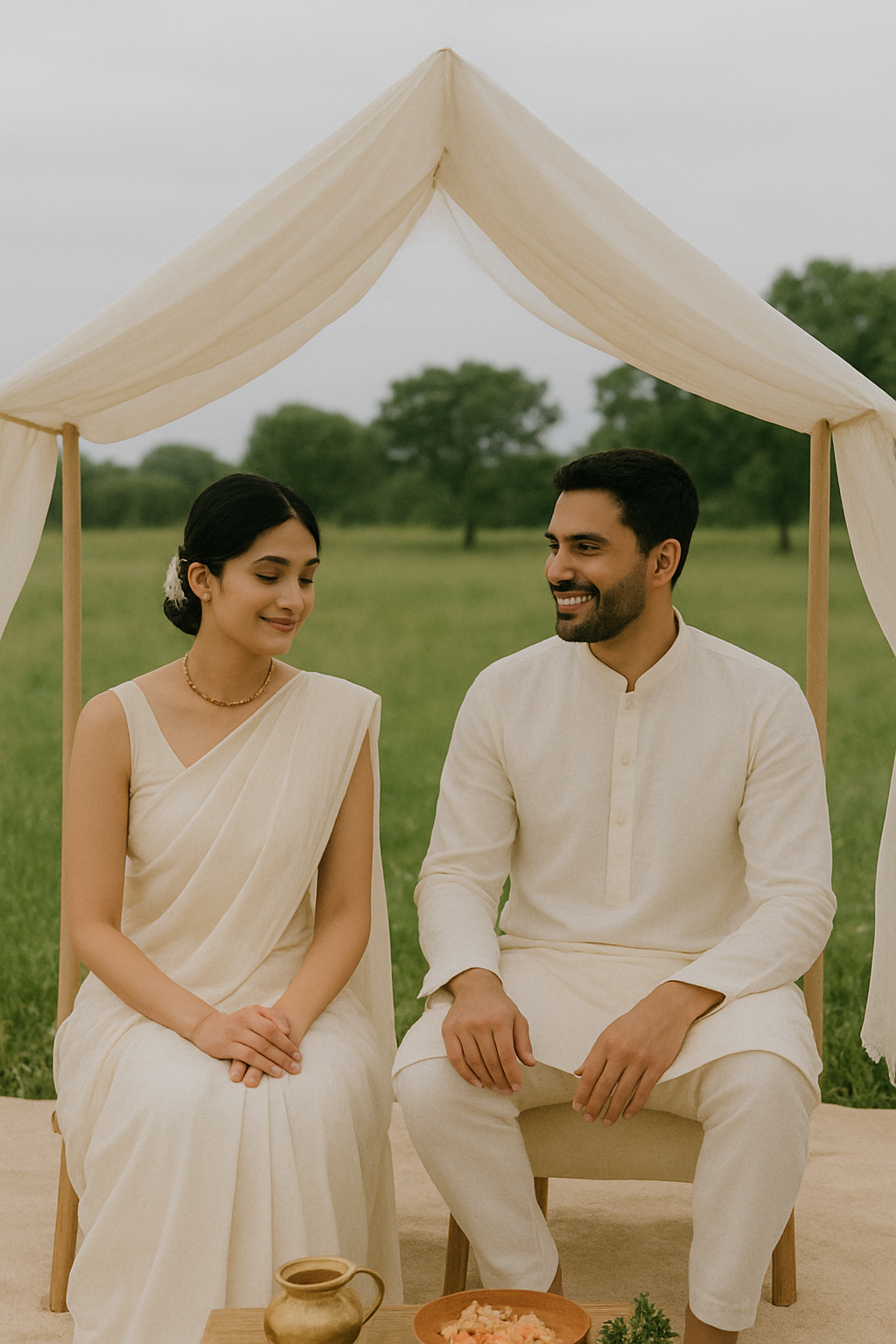
Gone are the days when Indian weddings were defined by extravagant venues, huge guest lists, and week-long functions. A new trend has taken over—minimalist weddings. Whether it’s urban millennials, young professionals, or Gen Z couples, more Indians today are choosing simple, elegant, meaningful celebrations instead of overwhelming, showy events.
Minimalist weddings are not “budget weddings”; they are intentional weddings. Couples want to focus on what truly matters—love, family, rituals, personal meaning, and emotional connection. With increasing financial independence, shifting values, and the influence of global wedding aesthetics, minimalist ceremonies are becoming a preferred choice across India.
This blog explores the major reasons behind this shift and why minimalist weddings are rapidly becoming the new normal.
Modern couples value authenticity over appearance.
Earlier, weddings were large because of societal pressure and family expectations to “keep up with the norms.” Today’s young Indians prioritise:
Emotional moments over staged ones
Meaningful rituals over unnecessary functions
Intimate gatherings instead of thousands of distant guests
They want to remember their wedding—not manage it. Minimalist weddings allow couples to stay fully present and enjoy their special day without stress.
Young Indians are far more financially aware than previous generations. Many couples either fund their own weddings or share the expenses.
Minimalist weddings are appealing because:
They reduce unnecessary spending
Couples prefer investing in a home, travel, or long-term savings
Spending ₹20–30 lakhs just to impress relatives feels outdated
Financial freedom matters more than societal expectations
This shift in mindset is one of the strongest factors behind the rise of simple, elegant ceremonies.
After the pandemic, intimate weddings with 50–100 guests became common—and surprisingly, the trend has stayed.
Couples discovered that:
Small weddings are more personal and warm
They get to spend quality time with guests
Planning becomes easier and less stressful
Homes, resorts, and scenic outdoor venues perfectly match minimalist aesthetics
Destination weddings are also embracing minimalism—beach weddings with natural backdrops, hilltop ceremonies, or cozy home weddings with minimal décor.
Platforms like Instagram, Pinterest, and YouTube have transformed how young Indians view weddings.
Popular inspirations include:
Clean, aesthetic décor
Pastel themes
Lightweight bridal wear
Natural flower arrangements
Simple, candid photography styles
Understated elegance is now considered classier than extravagant displays. Global minimalist trends are influencing Indian weddings—while still retaining an Indian touch.
Today’s couples care about the environment and want their weddings to be eco-friendly. They consciously avoid practices like:
Excessive plastic use
Massive food wastage
Heavy lighting
Giant stage setups
A minimalist wedding often includes:
Fresh flowers or soft greenery
Reusable décor
Eco-friendly invitations
Local vendors
Sustainable bridal wear
A mindful wedding naturally becomes a minimalist one.
Big weddings involve:
Numerous functions
Hundreds of guests
Multiple outfit changes
Constant coordination
High expectations
Minimalist weddings reduce stress dramatically. Couples enjoy rituals more, have real conversations with their guests, and stay present in every moment.
Minimalist weddings allow couples to infuse personal touches without getting lost in chaos.
Examples include:
Personal vows
Custom playlists
Handpicked rituals
Smaller ceremonies that reflect their story
Thoughtful, meaningful details
Every element feels more intimate and authentic.
The new generation values:
Experiences over extravagance
Comfort over appearance
Intent over tradition
Emotional intimacy over public approval
They do not feel the need to “prove” anything through a grand wedding. Instead, they want a celebration that reflects their personality and relationship.
Minimalism allows couples to move away from:
Unnecessary customs
Heavy jewellery
Over-the-top décor
Expensive gifts
Long guest lists
Young Indians prefer modern, flexible weddings where they make the decisions—not society.
Minimalism is more than a trend—it’s a lifestyle. As more couples embrace mindful choices, minimalist weddings will continue to rise in popularity.
Whether it’s a small mandap under a tree, a simple temple ceremony, or an intimate home wedding, today’s couples prefer moments that matter—not events that cost millions.
Minimalist weddings reflect the mindset of today’s Indian couples—focused, intentional, emotionally rich, and free from unnecessary pressures. More young people are choosing meaningful celebrations, shaping the future of Indian weddings.
Minimalism doesn’t mean “less”;
it means more of what truly matters.

Love marriages are built on emotional connection, mutual respect, and personal choice. However, when...
Finding a life partner as an NRI is very different from local matchmaking in India. Along with emoti...

In India, marriage is never just about two individuals—it is a union of families, expectations, resp...
In the Indian matchmaking system, a marriage biodata is much more than a formal introduction. It is...

Introduction: Marriage Is a Decision, Not a Discovery Choosing a life partner is one of the most si...
Introduction: Successful NRI Marriages Are Built on Clarity, Not Chance Non-Resident Indian (NRI) m...